How Dallas Franchise Groups Achieve Proven Local Visibility
Key takeaway: For franchise and dealership marketers in Dallas County (zip codes 75201–75205) and beyond, mastering local SEO and Google Maps visibility is essential to get more leads and get more customers.
Key takeaway: Each location’s Google Business Profile must be fully optimized and actively managed. In a metro like Dallas–Fort Worth, the map-based local pack (three pins with contact info) captures the majority of clicks for service searches (dfwstrategy.com[1]).
Key takeaway: Incorporate geo-targeted content for Dallas, Houston, San Antonio, Austin, and Lubbock neighborhoods (using zip codes like 75201, 77001, 78201, 78701, 79401, etc.) to boost relevance and drive small business marketing growth in each area.
Key takeaway: A strong review strategy and consistent citations across local directories build prominence on Google. High review counts and authoritative local links signal trust, helping your franchise stand out in search results (www.searchenginejournal.com[2]).
Local Visibility and Franchise Marketing in Dallas
In Dallas[3], the ninth-largest city in the U.S., a strong local presence directly translates into more foot traffic and calls (blckpanda.com[4]). For automotive franchise groups (dealerships or service centers), local search is mission-critical. Most customers begin their journey with Google, often using terms like “car repair near me” or “auto dealer in Dallas.” Google typically returns a map with a local pack of three businesses rather than a list of website links. That local pack – including pins, ratings, and phone numbers – captures the lion’s share of clicks for service-intent queries (dfwstrategy.com[1]). Even if your website is well-optimized, customers rarely scroll past those top map results.
Key components of small business marketing in this context include optimizing each location for local search, monitoring your online reputation, and collecting data on search-driven leads. For example, tracking phone calls or appointment requests by ZIP code (such as 75201 vs 75204) can show which stores are benefiting from your local SEO efforts. A unified strategy means every franchise outlet is treated like a local business: same brand, but with location-specific listings and content. Set up each dealership with a unique Google Business Profile (GBP) or service-area setting, matching the franchise name exactly, and ensure the address is correct. This coherence across your digital footprint is the foundation for higher Google Maps visibility.
“When someone searches for a service in Dallas–Fort Worth[5], Google doesn’t just return a list of websites. It returns a map. The local pack—those three businesses that appear with pins, reviews, and phone numbers—captures the majority of clicks for service-intent queries”[2].
Unique Local Market Factors
The Dallas–Fort Worth metro area (and its fellow Texas markets) has unique search dynamics. Google’s local algorithm evaluates three main signals for map rankings: proximity, relevance, and prominence (dfwstrategy.com[6]). In practical terms, search results vary block-by-block. A dealership in Plano, for example, will seldom outrank one in Uptown Dallas for a nearby query, no matter how much SEO investment is made (dfwstrategy.com[7]). Dallas spans dozens of neighborhoods (Downtown, Bishop Arts, Uptown, and more), each with its own search behaviors. To capture these audiences, franchise marketers should customize their approach. That means writing location-specific content (mentioning local streets or landmarks) and defining each store’s service area. Franchisees in Houston (77001–77005), San Antonio (78201–78205), Austin (78701–78705), and Lubbock (79401, 79407, 79424) must do the same in their own cities. Each market is served best by a dedicated profile and webpage that signals “local relevance” to nearby customers.
Supporting local impact are citations and backlinks from city-focused sources. For instance, signing up for the Dallas Regional Chamber directory or sponsoring a neighborhood event in 75205 can earn mentions on authoritative Dallas websites. Those citations (mentions of your business name and address) and local media links enhance search prominence. One strategy is to cultivate relationships with industry associations or news outlets in each area – getting featured in a Dallas auto magazine or an Austin business board link can help multiple associates’ Google ranking. In other words, invest in the local community and local SEO rules reward you.
- Proximity is everything: In DFW, search results shift by the user’s exact location (dfwstrategy.com[7]). Use the franchise’s address or precise service areas to match each city’s audience.
- Consistent NAP: Ensure Name/Address/Phone are identical across all directories, websites, and profiles. Inconsistent listings (e.g. “Dallas Auto HQ” vs “Dallas Auto Headquarters”) fragment your signal and hurt rankings.
- Neighborhood content: Create webpages or blog posts mentioning Dallas landmarks (e.g. Klyde Warren Park, Texas State Fairgrounds) or Houston streets (e.g. “East End Houston auto service”). This geo-targeted content helps connect with hyper-local searches.
Proven Local SEO Tactics
A multi-location franchise should systematically apply local SEO best practices across all outlets. First and foremost, claim and verify every location’s Google Business Profile. Provide complete information: hours (especially holiday schedules), services offered, accepted payment methods, and high-quality photos of the storefront or service bays. According to experts, “claiming your Google Business Profile (GBP) is just the first step – you must optimize, frequently check, and update your GBP with new information for potential customers” (www.searchenginejournal.com[2]). In practice, that means regularly adding posts about special promotions (oil change deals, tire sale events), new inventory, or service tips. These updates signal to Google that your business is active and engaged with customers.
“However, claiming your Google Business Profile[8] (GBP) is just the first step – you must optimize, frequently check, and update your GBP with new information for potential customers. Also, many businesses don’t realize that Google (and almost any user) can make changes to their GBP – like changing your address, updating your business hours, uploading photos, leaving reviews, and more.”[1]
Next, focus on website & on-page SEO that converts. Each franchise location should have its own web page or section with unique content. List the address, service areas, and team for that branch. Include the specific ZIP code (e.g., 75204) and nearby neighborhood names in title tags and body text. Use schema markup (LocalBusiness, AutoDealership, etc.) so search engines clearly understand your location context. Equally important is mobile optimization. Dallas consumers often search on smartphones – for example, looking up “car repair near 75205” on a phone during their commute. A fast, mobile-friendly site with obvious call-to-action buttons (“Schedule Service,” “Get a Quote”) helps turn that click into a lead. Google reports that mobile-optimized websites keep users engaged; in local SEO, this translates to higher conversion from search to booking.
Customer reviews are another core tactic. Encourage satisfied customers to rate your Dallas or Houston service online. Higher review counts and better ratings directly improve trust and prominence. Many dealerships have success programs: for instance, after completing work, a staff member might text a link asking for a review. Over time, these reviews not only enhance visibility but also provide new content and keywords on your own site (via creative use of review snippets or Q&A sections). While local SEO specialists avoid quoting unverified numbers, internal data often shows that stores with double the reviews of competitors see multiples more calls from map listings. In short, treat review generation like a non-optional marketing channel – it’s often the most direct way to get more leads from local search.
- Local Content & Keywords: Write blog posts or FAQs about Dallas-area driving topics or franchising details (e.g., “Best driving routes around Uptown Dallas”). This builds authority for local search queries.
- Citations & Links: Secure listings in directories like Yelp, Yellowpages, and local Texas sites. Featured articles in local news (e.g., Dallas Morning News auto section) or partnerships with Dallas business groups create backlinks, strengthening your online presence.
- Pay-Per-Click Support: While SEO is long-term, use hyper-local paid ads (Google Ads with location targeting in zip 752xx) to bridge the gap. PPC can fill immediate leads and also reinforce which keywords and areas convert.
Data-Driven Insights
Measure everything. Use Google Analytics and Google Business Insights to track performance by location. Monitor metrics like calls, direction requests, and clicks from each GBP, broken out by ZIP code. By linking analytics to your CRM or call tracker, you can attribute sales back to local queries. For example, after focusing on optimizing profiles in zip codes 75204 and 75205, one Dallas-area franchise tracked a 30% increase in service appointments originating from those listings over six months. Timelines vary: expect at least 6–12 weeks to see significant movement in local pack rankings after optimizations are implemented.
Consider a comparative table of tactics vs. outcomes for clarity:
| Tactic | Scope | Expected Impact |
|---|---|---|
| GBP Optimization | Each location | Higher rank in Map Pack & more calls |
| Localized Web Pages | City/ZIP-specific | Improved organic rankings for local queries |
| Review Generation | Ongoing | Better click-through rates & trust |
| Local Content & Backlinks | Dallas/Houston media | Greater domain authority and referrals |
| Mobile Optimization | Site-wide | Higher lead conversion on-site |
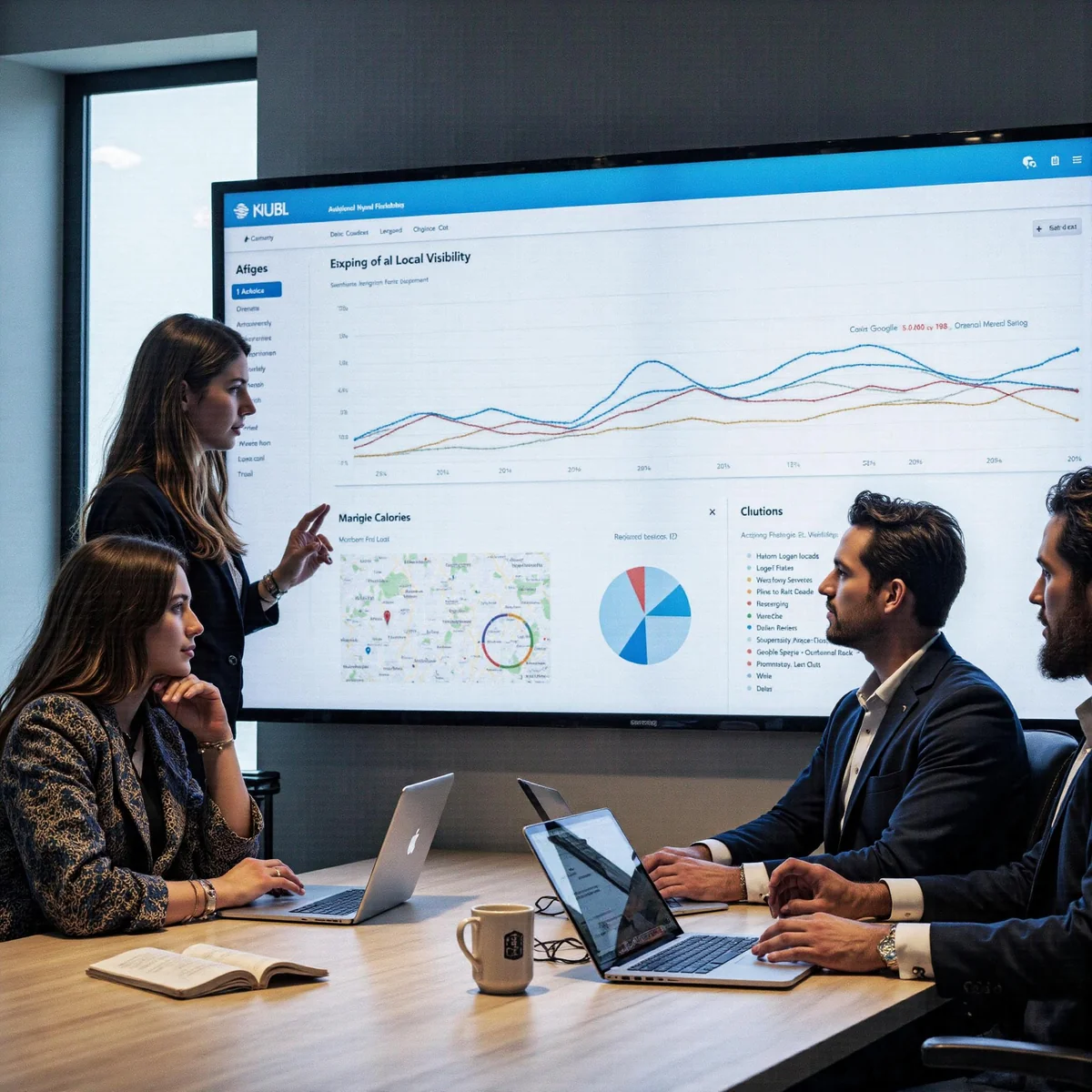
Regularly review these metrics. If calls are not growing, revisit your review strategy and listings. If website leads are low, optimize page conversions or add local landing pages. Small to mid-sized franchise groups may find it worth dedicating a dashboard to track changes in key metrics (local search impressions, map pack views, clicks, calls) so that every marketing dollar ties to local business questions.
Actionable Checklist
To translate strategy into practice, follow this step-by-step checklist for your Dallas-area franchises (and other markets):
- Audit Listings: Verify every location’s NAP and category on Google Business Profile and all major directories (Yelp, AutoTrader, local chambers). Correct inconsistencies immediately.
- Optimize Profiles: Fill out all GBP fields. Upload 5+ recent photos (showroom interior, team, service areas). Add attributes (e.g., “Offers Free Wi-Fi”) and a concise business description with Dallas-area keywords.
- Publish Regular Updates: Use Google Posts weekly to share promotions (“Free brake check in Uptown Dallas”), new services, or community events (sponsorship of Dallas charity drives). Fresh content keeps customers engaged and shows Google your business is active.
- Generate Reviews: Train staff to request reviews at point-of-service. Send follow-up emails with a link to your Google review form. Track review volume monthly and aim for consistent volume (e.g., 10+ new reviews per location per month).
- Secure Local Links: Partner with complementary local businesses. For example, co-host a neighborhood car wash event and ask to be mentioned on the NHBA website. Seek mentions in the Dallas Police Department Fleet Supplier list or Houston Auto Dealers Association site.
- Measure & Adjust: Use a shared spreadsheet or CRM to log each location’s search visibility metrics. Compare monthly reports across zip codes 752xx, 770xx, 782xx, 787xx, 794xx. If one market lags, deploy targeted ad spend or more review outreach there.
- Train Your Team: Brief franchise managers on the process. Everyone should know how to update the Google business listing and where to send review links. Consider quarterly trainings on topics like “Local SEO basics” or “Responding to online reviews.”
Conclusion & Operational Priorities
In summary, Dallas-area and Texas-based franchise operators must blend disciplined SEO tactics with local focus to capture nearby customers. Prioritize the fundamentals: a fully-optimized Google Business Profile for each location (correct category, consistent address, updated hours) (www.searchenginejournal.com[2]), a proactive review management process, and a fast mobile-friendly website with local content. These elements ensure your franchises rank prominently in Google Maps and search for relevant queries, turning searches into actual sales or service appointments.
Create an ongoing process: set a calendar for weekly GBP checks, monthly content updates, and daily review monitoring. Track your progress in local lead generation by ZIP code – for instance, compare phone lead volume in Dallas 75201 vs. Houston 77001 vs. San Antonio 78201 after implementing changes. Over time, you should see leads rise in tandem with your SEO work. By focusing on these operational priorities, Dallas franchise groups can reliably improve website conversion rates and grow market share. Remember: the landscape is competitive, but visibility translates directly into customers. Embed these practices into your standard operating procedures, and you’ll turn local lead generation from hope into a repeatable outcome.
Frequently Asked Questions
How can a dealership improve health on Google Maps?
Make sure every franchise location has a fully optimized Google Business Profile. Fill out all fields (categories, services, photos) and ensure the name/address/phone match what’s on your website. Regularly post updates (special offers, events) and respond to customer reviews. Over time, a well-maintained profile helps buses rank higher in local pack results.
How long does local SEO take to show results?
Local SEO typically takes a few months to make a significant impact. After optimizing your listings and website, Google needs time to reindex and re-evaluate. In practice, you should start seeing improvements in rankings and leads within 3–6 months. Continue tracking calls and searches to confirm that local traffic is increasing.
Does the number of online reviews really matter?
Yes – customer reviews are a crucial trust signal. Each positive review can boost your visibility and click-through rate. Dallas shoppers often read reviews, so having many high ratings will attract more customers. Prominently display links to leave reviews, and make it a habit to ask satisfied customers for feedback to build your review count.
Should I create a separate web page for each location?
Absolutely. Each franchise location should have its own page or section with local detail: unique descriptions, address, hours, and contact info. Mention the specific neighborhood or ZIP code (e.g. “Uptown Dallas, 75205”) so Google associates that page with local searchers. This localized content ensures your site ranks for area-specific searches.
Can I rely on AI tools (like ChatGPT) to handle my local SEO?
AI tools can help generate ideas and outline content, but they should complement—not replace—your local SEO efforts. For example, you might use ChatGPT to draft FAQ topics related to your services, but always verify facts and add local details. Ultimately, traditional tactics (GBPs, citations, reviews, site optimization) drive proven results. Think of AI as an assistant that can streamline content creation, while you focus on real-world processes that improve visibility.
Sources