Smart Fuel Efficiency Playbook for Lubbock Rideshare Drivers
Lubbock rideshare drivers and fleet operators face unique local conditions – high summer heat, Texas fuel taxes, and Loop-289 congestion – that make fuel economy a constant concern. This guide provides an operator-grade overview of strategies and best practices to optimize fuel use in Lubbock. We cover driving habits, vehicle maintenance, technology tools, and local incentives relevant to Lubbock, TX. Expect actionable tips on route planning around major corridors (Loop 289, US-84/62), vehicle servicing (tire pressure, idling), fuel purchasing, and even Texas-specific programs that can boost efficiency.
Local operators continue to ask about Lubbock ride‑share fuel efficiency, so we address it directly in this guide.
Key takeaway: Every cent saved on fuel goes straight to your bottom line – combine smooth driving, smart routing, and diligent maintenance to cut costs on each trip.
Understanding Lubbock’s Fuel Environment
Lubbock drivers pay a mix of state and local fuel taxes (roughly $0.30/gal total) that raise the effective price per gallon. With current prices around $3–4 per gallon in Texas, a modest efficiency gain can save significant money. The city’s wide-open layout means highway cruising (Loop 289, US-84/62) can be relatively efficient, but stop-and-go downtown traffic (50th, University Avenue) and airport queues can quickly idle fuel.
Local operators continue to ask about fleet fuel management Lubbock, so we address it directly in this guide.
Rideshare mileage optimization in Lubbock starts with data: track your fuel purchases and miles using a spreadsheet or app. Many drivers refill at highway-speed fuel plazas (e.g. Love’s on Loop 289) to minimize cost. Remember that the Texas Department of Transportation fuel tax adds roughly 20¢ per gallon statewide plus local taxes, so even a 1–2 MPG improvement has direct savings. Keep in mind high summer AC use: Lubbock’s average high temperature in summer is around 95°F, so cabin cooling can raise fuel burn. Plan light use of HVAC where comfortable (e.g. pre-cool the car before peak heat) and use vehicle ventilation instead of idle-cooling when safe.
- Monitor fuel spend: Calculate cost per mile. At 25 MPG and $3.50/gal, driving 100 miles costs $14 on fuel – a 10% MPG gain saves $1.40 per 100 miles.
- Use highway routes strategically: In Lubbock, merging onto Loop 289 can take extra time. If pickups are short-range (downtown to Tech), inner-city routes might avoid unproductive idle time on the beltway.
Key takeaway: Review past fuel receipts and mileage logs for zip codes 79401, 79407, and 79424 to identify high-consumption trips. Small adjustments add up over thousands of miles.
Local Traffic Patterns & Route Planning
Lubbock’s traffic is fairly predictable: weekday peaks (7–9am southbound on I-27/US-84 and 4–6pm northbound) create slowdowns near downtown and Loop 289 interchanges. Routing software and apps (like Waze or Google Maps) are invaluable for real-time updates. For example, if Loop congestion backs up, cutting over to Angeles (US-62) or crash runs via Quaker Avenue may save idling time and fuel.
Local operators continue to ask about Lubbock driver mileage optimization, so we address it directly in this guide.
Ride-share drivers should batch nearby pickups when possible to avoid unnecessary miles. Leverage high-occupancy lanes if available (e.g. around downtown events), and encourage ride pooling among passengers headed in the same direction. This reduces empty “deadhead” miles that burn fuel without revenue. For airport pickups at Lubbock International (LBB), consider staging vehicles nearby rather than circling the lot — waiting parked with engine off saves far more fuel than idling on the tarmac.
- Route planning software: Invest in navigation or fleet apps that account for Lubbock’s Loop 289 traffic patterns. Many driver-facing apps allow traffic overlays to detour around stop-and-go highways.
- Combine trips: When a ride ends near another potential pickup, take it instead of returning empty. Even short detours with extra fare often beat burning fuel returning to base.
Key takeaway: Use GPS tools to avoid crawling traffic at known chokepoints (e.g. downtown, Tech campus, airport) — each avoided idle minute saves fuel directly.
Vehicle Choice & Maintenance
Choosing the right vehicle is a major efficiency factor. Hybrid or highly fuel-efficient sedan and compact cars yield the best MPG. For example, typical hybrid sedans average 40–50 MPG versus 25–30 MPG for full-size sedans. According to official guidance, every 10 psi pressure drop in a tire can reduce fuel economy by about 1–2%. Check tire pressure weekly and rotate tires regularly. In Lubbock’s dusty environment, replace air filters more often than the manufacturer interval: clogged filters make engines work harder and sip extra fuel.
Local operators continue to ask about fuel‑saving strategies for Lubbock rideshare, so we address it directly in this guide.
Regular maintenance is key. Stale engine oil, worn spark plugs, or dirty fuel injectors all increase fuel burn. Stick to the recommended service schedule (every 3–6 months or as indicated by your vehicle). Keep vehicles lightly loaded: cargo racks or unused accessories weigh trucks down and can hurt MPG by 1–2% per 100 lbs carried. Replacing a rear seat or adding LED lighting has negligible effect on fuel but removing heavy unused tools from a pickup can. Verify alignment and suspension: misalignment can drag fuel economy, especially after track jobs on rough Lubbock roads.
| Strategy | Benefit | Lubbock Context |
|---|---|---|
| Proper Tire Pressure | Maximizes transmission of engine power to road | In Lubbock heat, tires lose pressure faster; check weekly |
| Regular Oil & Tune-ups | Ensures smooth engine performance | Replace air filters more often in dusty air |
| Remove Extra Weight | Less drag and rolling resistance | Unload unused gear or heavy signage when possible |
| Aerodynamic Aids | Reduce wind resistance at highway speeds | Use OEM roof racks only when needed; consider removing if not used |
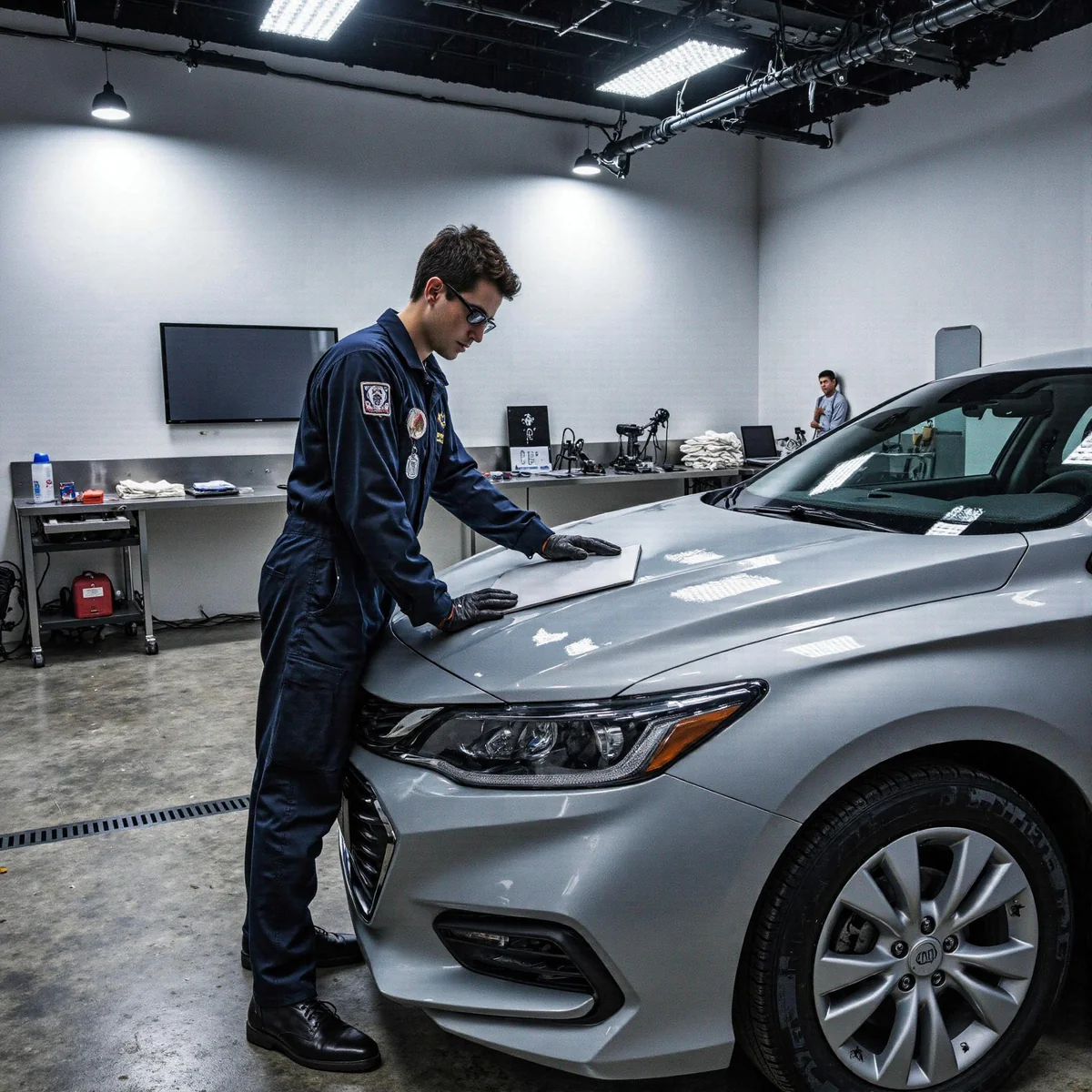
Key takeaway: Maintain your ride meticulously. A well-tuned engine and fully inflated tires in Lubbock’s conditions can improve MPG by at least 5–10% over a neglected vehicle.
Driving Behavior & Idling Reduction
Fuel savings often come from how you drive. Practice smooth acceleration and braking: aggressive throttle or slamming brakes wastes fuel. Texas tech guidance suggests that gentle driving can improve MPG noticeably. Also obey local speed limits – not only for safety, but because fuel economy drops off on Lubbock highways above 55–60 mph. Air drag increases, and Lubbock’s beltway (Loop 289) often carries a “sweet spot” speed of ~55–65 mph where most cars are most efficient.
Local operators continue to ask about Lubbock Texas ride‑share fleet guidelines, so we address it directly in this guide.
Idling reduction is another major lever. Do not let your engine idle during long pickups. Lubbock’s municipal code (similar to Texas statewide rules) discourages unnecessary idling. Turn off the engine whenever safe if you anticipate waiting more than a minute. For example, on a ride-share request delay or a passenger errand, pulling over and shutting off the engine saves fuel. Repeated short stops in the suburbs or customer pickups downtown quickly add up in fuel burned if the engine stays on. Texas’s clean-air grants even reward idle-reduction hardware (block heaters, auto shutdown devices) for fleets (afdc.energy.gov[1]). Many drivers carry a portable A/C cooler or battery-powered fan to keep the cabin comfortable with minimal engine use.
Texas law note: While passenger cars lack a strict statewide idling limit, commercial vehicles are often governed by a 5-minute rule. In any case, turning off saves money immediately. The EPA and U.S. Department of Energy agree: idling for 10 seconds wastes more fuel than restarting the engine (afdc.energy.gov[1]).
- Avoid aggressive starts: Let the car warm up moving if needed, but once up to speed, settle into a steady cruise.
- Cruise control on highways: Use it on Loop 289 when traffic allows; it prevents speed swings and saves fuel on long stretches.
“The Emissions Reduction Incentive Grants (ERIG) Program … provides grants for … idle reduction and electrification infrastructure” (afdc.energy.gov[1]).
Key takeaway: Every minute of idling costs fuel. Train yourself (or your drivers) to switch off engines during waits, following both Texas fuel efficiency and local parking guidelines.
Fuel Purchasing & Cards
Use of fuel cards can help in Lubbock’s rideshare context. Many fuel card programs (WEX, Comdata, Shell Fleet) allow drivers to buy at negotiated prices at chain stations and track expenses centrally. This can enforce no-cash discipline: fill-ups and mileage are charged to a corporate account, letting fleet managers spot anomalies (like unexplained deviation in MPG). Some cards offer rebates or points for volume purchases, effectively trimming cents from each gallon. Consistently fueling at the same network (e.g. chain near airport) can lock in equipment and pricing advantages.
For Lubbock, consider a network with stations on major routes (e.g. Loop 289, IH-27). Always verify price signage at pumps; prices often update Monday morning. If a drivers’ shift is long, encourage fueling during off-peak times (early morning) to avoid premium-rush pricing. For cash-based independent drivers, use apps that show nearest cheapest pumps in real-time. Be cautious of fuel additives or “premium” grades: unless your car requires it (high compression turbo), the extra octane seldom improves MPG.【2†】
Key takeaway: Enroll in a fuel card program which simplifies payments and enforces efficient fueling. Track per-driver fuel mileage via receipts or card reports so you can spot trucks/years that are getting low MPG and address causes.
Regulations & Incentives
Texas does not mandate a specific fuel economy standard for private ride-share vehicles, but several regulations and programs affect fuel use. For example, state laws ban vehicles from idling beyond short limits (especially heavy trucks), and municipal ordinances penalize excessive overnight running. Ride-share drivers should also follow insurance and vehicle inspection guidelines, though these do not directly affect fuel economy.
On the incentive side, the Texas Emissions Reduction Plan (TERP) offers grants for cleaner fleets. Through TERP, the Texas Commission on Environmental Quality (TCEQ) funds projects like replacing old vehicles with new hybrids/EVs, installing idle-reduction auxiliary power units, or setting up charging stations (afdc.energy.gov[1]). A Lubbock operator could use TERP on-portable charging or truck stop electronics. The Lubbock City Council and local air-quality groups at times offer workshops on fuel-saving for commercial drivers, though nothing as specific to ride-share. Nothing stops savvy drivers from claiming federal tax credits if you buy an EV or high-efficiency vehicle (check IRS Form 8936 requirements).
To get the most, align with Texas Department of Transportation fuel tax changes – for instance, heavier-duty vehicles pay more per gallon. If you own a mini-fleet, coordinate with your accountant to budget for quarterly tax payments on fuel. Even more directly, any rideshare fleet in Lubbock should check with the Lubbock Regional Transportation Authority or state energy offices for limited grants related to clean vehicles; occasionally rural fleets qualify for EPA vouchers or TCEQ vouchers to retrofit engines. (No specific local rebate currently exists for commuters, but keep an eye on the Texas State Energy Conservation Office (SECO) programs and utility rebates for EV chargers.)
Key takeaway: Investigate state and local programs before ignoring “fuel saving” as just driving tricks. Lubbock drivers can unlock Texas TERP grants or utility incentives for hybrid/electric upgrades to magnify fuel-cost cuts over time (afdc.energy.gov[1]).
Data & Analytics for Fleet Management
Even if you drive independently, think like a fleet manager. Keep records of fuel use by vehicle: link odometer readings to gallons filled. Several free apps do this. Review average MPG per car monthly. Spikes may indicate a problem (e.g. misfires or a passenger abusing AC or chains on wheels causing drag). For multicar fleets, software can ingest credit card feeds or fuel card data and flag sudden drops in efficiency. Mark each ride by tool (Lyft vs. Uber) too; some platforms allow exporting logs, so you can compare fuel per mile on each platform separately.
In Lubbock, also track location-specific fuel usage. For instance, note if vehicles that mostly run around Texas Tech (ZIP 79424) have lower MPG due to campus traffic than those mainly on highways. Use spreadsheet formulas or fleet telematics (if installed) to correlate fuel and mileage. Many private fleets link GPS data so they know how much time each vehicle spent idling vs. moving; that data can be used to coach drivers or adjust shift assignments.
| Metric | Reason to Track | Lubbock Example |
|---|---|---|
| Gallons/Fuel Card | Direct cost monitoring | Check station receipts; row in 79401 areas may be higher |
| Miles Driven | Calculates MPG | Compare vehicles; campus routes vs. airport runs |
| Idle Hours | Quantifies wasted fuel | High in downtown dispatch; target training |
| Speed Logging | Enforce optimal driving | Flag vehicles doing 75+ mph on Loop vs recommended 65 |
Key takeaway: Build a simple fuel log. Even a Google Sheet with columns for date, vehicle, start/end mileage, and gallons filled can reveal which Lubbock routes or drivers are most costly. Data-driven tweaks pay off quickly.
Action Plan & Checklists
Turn these strategies into routine. For example, every shift, start with a pre-drive checklist: check tire pressure, clear out trash/extra loads, refill fluids, and review the day’s route priorities. Install a sticker in the dashboard (or set an alarm) reminding drivers to turn off the engine if stopped for more than 20 seconds. Maintain an emergency kit with water and a fan battery pack so drivers can stay cool without idling.
Create “post-shift” habits too: fill up at time/tier, record odometer and trip log, and report any issues like low MPG or odd noises immediately. If operating in teams, hold a short weekly review of fuel logs and tips (e.g. “Avoid that traffic backup on Loop 289 next Tuesday.”). Over time, refine assignments: if a certain shift or area always shows low mileage, rotate driving times or swap vehicles.
- Assign fuel efficiency roles: Make one person the “fuel monitor” who tracks fuel budgets, and another the “route captain” who checks traffic feeds.
- Driver training: Give all rideshare drivers a quick briefing on efficient driving and local regs. Even a 5-minute talk on smooth driving can boost group MPG.
- Optimize schedule: If possible, match high-demand times to shifts so cars aren’t cruising empty or idling waiting for passengers, particularly in off-peak hours in area codes 79407/79424.
Key takeaway: Turn fuel efficiency into a habit with checklists and accountability. A well-prepared Lubbock rideshare operation moves vehicles only when needed, with engines off otherwise, and orders routes to minimize total miles.
Frequently Asked Questions
How can I minimize fuel waste while waiting for rides?
Turn off the engine whenever it’s safe to do so. Even Texas law discourages unnecessary idling, and each minute your car idles burns more fuel than restarting would. For short stops (like quick pickups at LBB airport or downtown loading zones), it’s far more fuel-efficient to shut down the engine and restart when ready to depart.
Are there fuel-related incentives for ride-share drivers in Texas?
Yes. Texas’s TERP program provides grants for fleet fuel-efficiency upgrades, including hybrid or electric vehicle purchases and idle-reduction equipment (afdc.energy.gov[1]). While these programs often target larger fleets or commercial trucks, independent drivers can sometimes join co-ops or seek special funding. There are no specific Lubbock-only rebates, but federal tax credits exist for qualified EVs.
Should I use a fuel card program as a rideshare driver?
Using a fleet or fuel card can be very beneficial. Fuel cards offer consolidated billing and sometimes discounted rates at nationwide fuel stations. They also keep better records of exactly where and when you fuel, making it easier to track data and ensure prudent use. In Lubbock, pick a card accepted at convenient locations (highway stations, major intersections) to balance cost and access.
Do rideshare companies help with route planning to save fuel?
Most platforms (Uber, Lyft) have basic built-in navigation for drivers, but drivers are free to use their preferred GPS apps. For better fuel efficiency, drivers often rely on traffic-aware apps like Google Maps or Waze to avoid Lubbock bottlenecks. You can enable economy routing in some apps to prefer steady-speed roads. Ultimately, as a driver you set the route once you accept a ride, so using all available planning tools is key.
How does vehicle maintenance affect fuel economy?
A well-maintained vehicle runs more efficiently. The first sentence: Keep tires properly inflated and engine tuned. Over- or under-inflated tires, clogged filters, old spark plugs, and dirty oil can all increase fuel consumption. According to DOE guidance, routine checks and timely servicing (air filter, oil changes, wheel alignment) are crucial to maintain optimal MPG【2†】. Neglecting maintenance can cut fuel economy noticeably, especially in the dusty West Texas climate.
How can I calculate my fuel efficiency in Lubbock and track my progress?
To calculate your fuel efficiency in Lubbock, track your fuel purchases and miles using a spreadsheet or a mobile app. Calculate your cost per mile by dividing your total fuel cost by the total miles driven. For example, at 25 MPG and $3.50/gal, driving 100 miles costs $14 on fuel. You can also use online fuel logs or mobile apps like FuelLog or GasBuddy to track your fuel consumption and identify areas for improvement. By monitoring your fuel spend, you can set goals and work towards increasing your fuel efficiency, which can lead to significant savings in Lubbock’s high-fuel-cost environment.
Sources