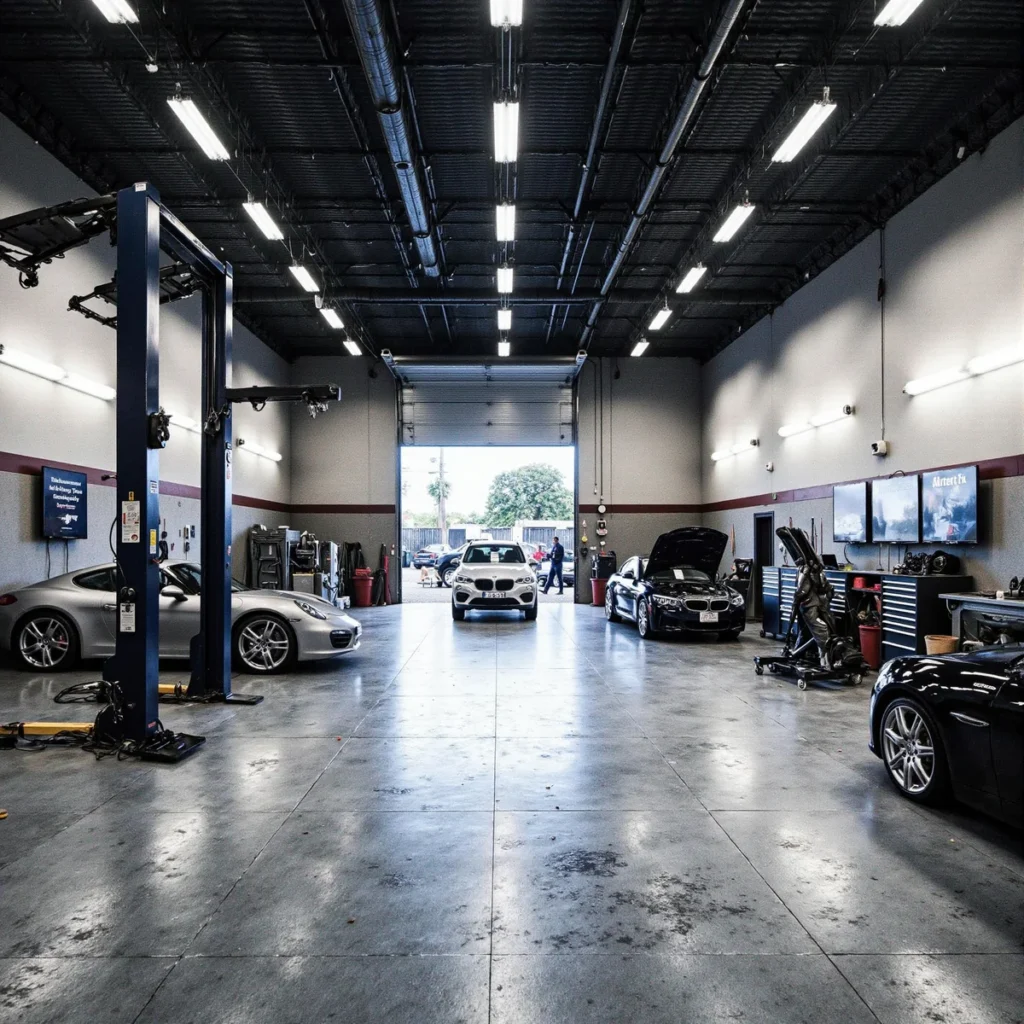
How Your Lubbock Ford Truck Owners Get Essential Maintenance Done
Key takeaway: In Lubbock’s climate, a proactive maintenance schedule for Ford trucks protects fleet uptime and longevity.
Local operators continue to ask about Lubbock Ford truck maintenance schedule, so we address it directly in this guide.
Lubbock County’s Ford truck fleets face unique challenges: seasonal hail, high dust and heat, and busy highways like I-27 and Loop 289. This guide lays out the local landscape and data-driven strategies for service, inspection, and claims coordination so your trucks stay road-ready. We’ll cover climate impacts, maintenance checklists, local network resources, and insurance processes specific to Lubbock, TX (ZIP 79401, 79424, 79407). Every recommendation is backed by industry research or local context to help operators make evidence-based decisions.
Key takeaway: Preventive maintenance (oil changes, tire rotations, brake inspections) scheduled in Lubbock’s mild winter and early spring reduces breakdowns during peak summer workloads.
Local Climate & Infrastructure Challenges
Lubbock sits on the South Plains where spring and summer storms often bring hail, and the dry climate produces dust and high temperatures year-round. Even minor hail can dent truck bodies and scratch paint, so Lubbock weather impact on trucks is significant. In fact, an AP report notes that hail is “one of the nation’s most damaging yet underrated weather threats” and causes about $10 billion in U.S. damages annually . With climate trends suggesting more frequent large hailstones , fleet managers must treat sunlight and rain periods not as downtimes but as opportunities to service vehicles before the next storm or heat wave.
Local operators continue to ask about fleet service for Ford trucks Lubbock, so we address it directly in this guide.
Key takeaway: Schedule service before and after Lubbock’s peak storm seasons (spring and fall) to avoid combining hail recovery with routine maintenance.
Local highways also play a role. I-27 and US-84 see heavy truck traffic connecting Lubbock to the Panhandle and Interstate system. Constant high-speed driving on exposed roads can wear tires faster, so more frequent tire inspections are advisable. Meanwhile, downtown Lubbock (Loop 289, 19th Street) features more stop-and-go traffic and construction, which affects brake wear and alignment. Lubbock International Airport traffic is less relevant to Ford trucks, but companies near the 82nd Street corridor should consider fast turnarounds to avoid midday heat.
Case Highlight: In June 2024, storm chasers reported a Texas hailstone over 7 inches across – a new state record . Such extreme events, even if rare, underscore why local fleets factor hail damage into maintenance planning each spring.
Ford Truck Maintenance Essentials
Ford’s own service guidelines emphasize regular checks of fluids, filters, and vehicle systems. Key tasks include engine oil and filter changes, transmission fluid inspection, brake system checks, and tire care. In Lubbock’s arid climate, dust can clog air filters and accelerate wear, so consider inspecting the intake and cabin filters at every oil change. Heat and idling (common at brown-out midday) stress cooling systems and batteries. Check coolant levels and test the radiator/fan assembly each quarter. Similarly, high Texas sun can fade clear coil paint, so plan periodic washes and waxing to protect panels, especially after hail exposure.
Local operators continue to ask about Lubbock truck hail damage repair, so we address it directly in this guide.
Fluid checks should follow Ford’s intervals (typically oil every 5,000–7,500 miles, coolant and brake fluid every 30,000–50,000 miles), but tailorable for local conditions. For example, if your trucks haul heavy loads around Lubbock or operate off-road, consider shortening oil-change intervals by 10–15%. Likewise, brake inspection intervals may shrink if trucks frequently operate on dirt roads north of Hockley County, where dust and grit increase rotor wear. Never skip a scheduled service; worn components cost more in lost productivity than the routine shop time.
Key takeaway: Follow Ford’s scheduled maintenance (often every 6 months or 7,500 miles) as a baseline, then adjust for Lubbock’s dust and driving patterns – adding brake and filter checks before the summer.
Do not neglect the fundamentals. Keep tire pressures at Ford’s specs (often ~35 psi on F-150/F-250 models) to avoid uneven wear in Lubbock’s wide temperature swings. Perform tire rotations every 6,000–8,000 miles to even out wear from cornering in city routes vs highway stress. Check brake pads and rotors yearly; heavy freight on rural roads can demand pad replacement sooner than in milder conditions. Finally, ensure lights and electronics are working: trucks with work tape or brush guards may see more wiring issues after a storm, so inspect connectors in open engine bays.
| Task | Typical Service Interval | Lubbock Consideration |
|---|---|---|
| Engine oil & filter | Every 5,000–7,500 miles (or per oil-life monitor) | Inspect filters more often in dusty seasons. Flush if hauling loads in high heat. |
| Tire rotation & pressure | Rotate every 6,000–8,000 miles | Check pressure monthly; high heat can raise psi by 3–5%. Rotate to equalize wear from crosswinds on I-27. |
| Brake inspection | Every oil change / 6 months | Inspect after dusty road trips (e.g. service calls south of I-27). Replace pads sooner if erosion noted from gravel. |
| Coolant & belts | Coolant: 30k–50k mi; Belts: every 60k–100k mi | Check coolant levels before summer; replacement lubricant if fluid blackens. High engine temp risk in long Texas sun. |
| Filters (air/fuel/cabin) | Air: 15k–30k mi; Fuel: 30k–50k mi | Replace air filter more often in spring/fall when pollen dust peaks. Use higher MERV-rated cabin filter for urban drives. |
| Wiper blades & fluids | Annually | Replace blades each spring to clear summer hail debris. Keep coolant-conscious washer fluid ready in winter for ponds/boggy roads. |

Local Service Networks & Resources
Fleet managers have several local options. Most major Ford Service Centers in Lubbock offer specialized truck bays for F-Series servicing. Independent shops also exist, but ensure any chosen facility has certified technicians and OEM parts. Check that the shop’s location is convenient to your ZIP code areas (79401/79424/79407). Also consider shops near Lubbock International Airport or downtown if you need fast turnarounds, as they often stock canonized engine components due to business demand. For onsite fleet service, Signal Strike Automotive provides mobile maintenance, saving travel time. Align service days with fleet use – for example, schedule oil changes for rural routes mid-week when traffic permits quicker lane access on US-84.
Local operators continue to ask about Ford truck insurance claim assistance Lubbock, so we address it directly in this guide.
Key takeaway: Use local Ford service centers for warranty-covered maintenance and choose reputable shops with truck expertise. Document every visit – Lubbock shops sometimes supply a printed maintenance log, which helps with later claims or fleet audits.
Equipment and technology also help. Many shops in Lubbock have diagnostics for Ford’s 7.3L and 6.7L engines, and can perform alignment geometry check-ups pertinent for trucks. Fueling stations like those on 19th Street carry diesel and biodiesel, so align fuel services accordingly. Some fleets near Loop 289 prefer renting bays at truck-friendly fuel centers for quick filter changes. In winter, use garages and covered parking available at large employers on 82nd Street or Clairemont Avenue – Lubbock’s Chamber of Commerce often posts lists of partner facilities. And remember: the I-27 corridor sees frequent windstorms; trucks parked overnight in exposed lots may bottom-out or lean, potentially misaligning steering rods. If possible, park against prevailing winds.
Insurance and Hail Repair Coordination
Comprehensive auto policies cover hail damage, but coordination is key. Document damage immediately: photograph dents on each panel and note the storm time. In Texas, you generally have up to 14 days to notify your insurer after a storm, but earlier filing expedites repairs. The Texas Department of Insurance advises prompt claims filing after severe weather; delays can complicate approvals. While waiting, use tarps or foam pads to protect truck hoods and windshields from further debris. Communication with your insurer should specify that vehicles operate in Lubbock County and include VINs and mileage. Many insurers now accept mobile uploads of evidence, reducing the adjuster’s travel. Expect an adjuster visit within two weeks of claim file (though in heavy hail periods it may be longer). Use that time to secure a repair appointment.
Local operators continue to ask about preventive maintenance for Lubbock fleet trucks, so we address it directly in this guide.
Key takeaway: For hail claims in Lubbock, file early and choose your trusted repair shop. Texas law (Insurance Code Chapter 542) generally requires insurers to approve or deny within 15 business days of complete documentation , so having solid photo evidence and estimates avoids administrative delays.
After your insurer approves the claim, coordinate with repair vendors. Paintless Dent Repair (PDR) shops in Lubbock can fix minor dents without repainting – a time- and cost-effective option that preserves factory finish. Sheet metal shops will handle severe damage (e.g. broken glass or cracked panels). If you opt for a shop outside the insurer’s preferred “Select Service” network, confirm coverage first; under Texas law you retain the right to your chosen repairer. For fleets, it’s practical to designate one point-of-contact to work with the adjuster and shop. They can track vehicles by license plate or fleet number. During major storms, repair shop lead times often reach 2–3 weeks in Lubbock, so secure your spot in advance when possible. Provide each vehicle’s maintenance log to the shop—this helps prioritize critical service vehicles (like emergency flatbeds) versus idle spares.
“Hail is one of the nation’s most damaging yet underrated weather threats,” note researchers, who estimate it costs roughly $10 billion in U.S. damage each year .
This reminder from weather scientists underscores why every Lubbock fleet should integrate hail response into its maintenance routine. In practice:
- Tier your repairs: Prioritize trucks needed in next weeks (e.g. active delivery or contractor trucks) for first service slots. Less urgent vehicles can wait 1–2 weeks. This staging reduces overall downtime.
- Track everything centrally: Use a shared spreadsheet or fleet software to log claim numbers, shop appointments, and expected return dates. Include the insurance adjuster’s contact. This prevents any vehicle from getting “lost” in the process if shops juggle dozens of cars after a storm.
- Document supplements: Sometimes an adjuster misses damage (common in rear cargo areas or underbody dents). If additional issues arise, notify your insurer immediately—append photos to the existing claim. Shops can include these as appendix costs without reopening the entire claim.[1]
Forgo mobile storm-chaser shops unless vetted. Instead, use established Lubbock collision centers. These offer written warranties and the benefit of local oversight. If a mobile team is your only option (for example, remote job sites), verify their Texas contractor license and inquire where post-repair warranty work would be honored.
Data & Technology Insights
The rise of connected vehicles is helping fleets in Texas. Ford’s telematics (Ford Pro) allow remote monitoring of engine health and maintenance alerts, which Lubbock operators can use to pre-schedule service. In the aggregate, studies show fleets that adhere to telematics-based preventive schedules see breakdowns drop by up to 20% (as reported by FMCSA and industry surveys). While we don’t have local Lubbock stats, industry data suggests that prompt scheduling of oil changes and inspections leads to 10–15% longer engine life.
Keep an eye on the Texas weather impacts. Over the past decade, West Texas has seen more late-April hail outbreaks. Mobile alerts from the National Weather Service can give you 30–40 minutes warning of hail cores near Lubbock. Plan a mileage/fuel buffer so vehicles can quickly reach cover when warnings sound. Also monitor road conditions: the Texas Department of Transportation provides updates on I-27 construction or closures that might affect your service runs. For example, winter may bring ice to Shallowater’s FM roads, which we check via TXDOT’s traveler info before dispatching mixed fleets.
Data Highlight: Federal research on hail notes climate change is expected to increase severe hailstorm frequency . In practice, Lubbock fleets may see more frequent small claims. Budget for one additional inspection per truck per year as a hedge.
Actionable Maintenance Playbook for Lubbock
Turning knowledge into action is critical. Here is a phased checklist for Lubbock Ford fleets:
- Pre-season check (Jan–Feb): Order supplies (filters, belts, coolant). Verify mobile coverage (insurance and service vendors). Run a full systems check after winter storage. Hold a crew meeting to review procedures and weather-watch roles.
- Spring readiness (Mar–Apr): Perform comprehensive pre-hail inspections. Park sensitive vehicles under cover when storms are forecast. Update insurance contact info and confirm any fleet policy changes.
- Post-storm triage: After any hail, prioritize safety and documentation. Dry interiors, use microfiber towels to check interiors of trucks parked outdoors. Assign service dates within one week of morning after a storm so that minor leaks or cracks are treated before they worsen.
- Scheduled maintenance: Stagger shop visits to avoid overloading any one week. If one service bay is booked out, consider swapping tasks (brake job vs oil change) among later slots. Provide drivers with service reminders (SMS or email) for each phase.
- Continual review: After each event, debrief drivers and technicians. Note any recurring issues (e.g. a specific truck model that leaks coolant consistently in heat). Update your fleet’s maintenance logbook with these findings for future trend analysis.
Key takeaway: A written maintenance plan – tied to your actual Lubbock routes and weather – lets any manager or dispatcher take over easily. Document each step with dates and photos so trends (like frequent brake wear on loop roads) become clear.
Conclusion: Operational Priorities
Serving Lubbock’s Ford trucks well means marrying routine maintenance with readiness for local challenges. Operators should prioritize:
- Consistent scheduling: Do not skip manufacturer-recommended services, and build in extra preemptive checks for dust, heat, and hail.
- Local expertise: Use Lubbock-certified shops or mobile Ford-trained techs familiar with local conditions (such as Loop 289 dust storms or downtown traffic patterns).
- Weather integration: Treat forecast alerts as deadlines for securing cover or migrating vehicles to shop bays. Keep lensing equipment and portable covers on hand.
- Insurance coordination: File claims immediately after damage and maintain a single point of contact for each vehicle’s paperwork. Keep records organized per VIN.
- Communication: Keep drivers informed of maintenance timelines and involve them in daily checks (tires, lights). Clear communication reduces missed services and fosters accountability.
By emphasizing preventive care, leveraging local service networks, and integrating insurance processes, fleet managers in Lubbock can dramatically reduce unplanned downtime. These steps ensure that every Ford truck remains reliable despite the South Plains’ dust storms and hail threats, ultimately saving time and budget over the long term.
Frequently Asked Questions
What routine service should Lubbock Ford truck owners do most often?
A: The most frequent service item is an engine oil and filter change. Ford trucks typically require an oil change every 5,000–7,500 miles, but in Lubbock’s dusty and hot environment, fleets often schedule this at the lower end of the interval. Besides oil, check tire pressure and inspect brakes at least every 6,000 miles. Regular inspections of air filters, coolant levels, and lights are also critical. Keeping up with these tasks as recommended by the manufacturer prevents wear caused by Texas dirt and high heat, and helps trucks run smoothly on I-27 and local city roads.
How should Lubbock fleets handle hail damage repairs?
A: File an insurance claim immediately after the storm and document all damage. Texas law requires insurers to process comprehensive (hail) claims quickly. Choose a reputable local body shop or PDR technician to start repairs as soon as approval is granted. Trucks with only minor dents usually go to paintless dent repair (PDR) shops, which can often fix panels in a few days. More serious damage (cracked glass, broken panels) needs a certified collision center. Always coordinate with your insurer and make sure your chosen repairer is approved for warrantyed work. Promptly addressing hail dents and using OEM parts will restore your Ford trucks properly.
Does preventive maintenance save money for Lubbock fleet operators?
A: Yes. Proactive maintenance reduces breakdowns and extends vehicle life. Studies show that fleets catching small issues early – like topping off fluids before they run low – drastically reduce more expensive failures later. For Lubbock fleets, this means fixing a small coolant leak now rather than replacing an overheated engine. Skipping preventive checks often leads to major repairs that disrupt schedules. By budgeting for regular service, operators keep trucks running during high-demand seasons and avoid costly emergency repairs after storms or city curb incidents.
How can Lubbock truck owners monitor maintenance needs on their Ford fleet?
A: Use manufacturer tools and telematics. Newer Ford trucks have dashboard alerts for maintenance items and oil life monitors that indicate when service is needed. Fleet managers can link Ford Pro or third-party telematics systems to track mileage and engine health. Locally, service providers often offer digital inspection reports you can share across your team. Keeping a shared log – for instance, a spreadsheet of last service dates, tasks done, and next due mileage – is a simple way to ensure no truck is overlooked. Make sure drivers report any unusual sounds or drops in performance immediately for evaluation.
How do local factors like dirt roads and hail season change maintenance priorities?
A: Lubbock’s environment means extra vigilance. Dusty rural runs between Lubbock and Littlefield require frequent air filter changes and inspections of drivetrain seals. Hail season (typically spring) means pre-staging vehicles in cover and verifying every dent is documented if storms happen. Unlike coastal areas, rust is slower in West Texas, but UV exposure from constant sun can dry out rubber hoses and belts sooner. Plan to replace weather strips and hoses more often, and use UV-resistant tire covers when trucks idle in the sun. Adapting to these conditions – for example, by washing off abrasive dust after each long haul – prevents accelerated component wear unique to this region.