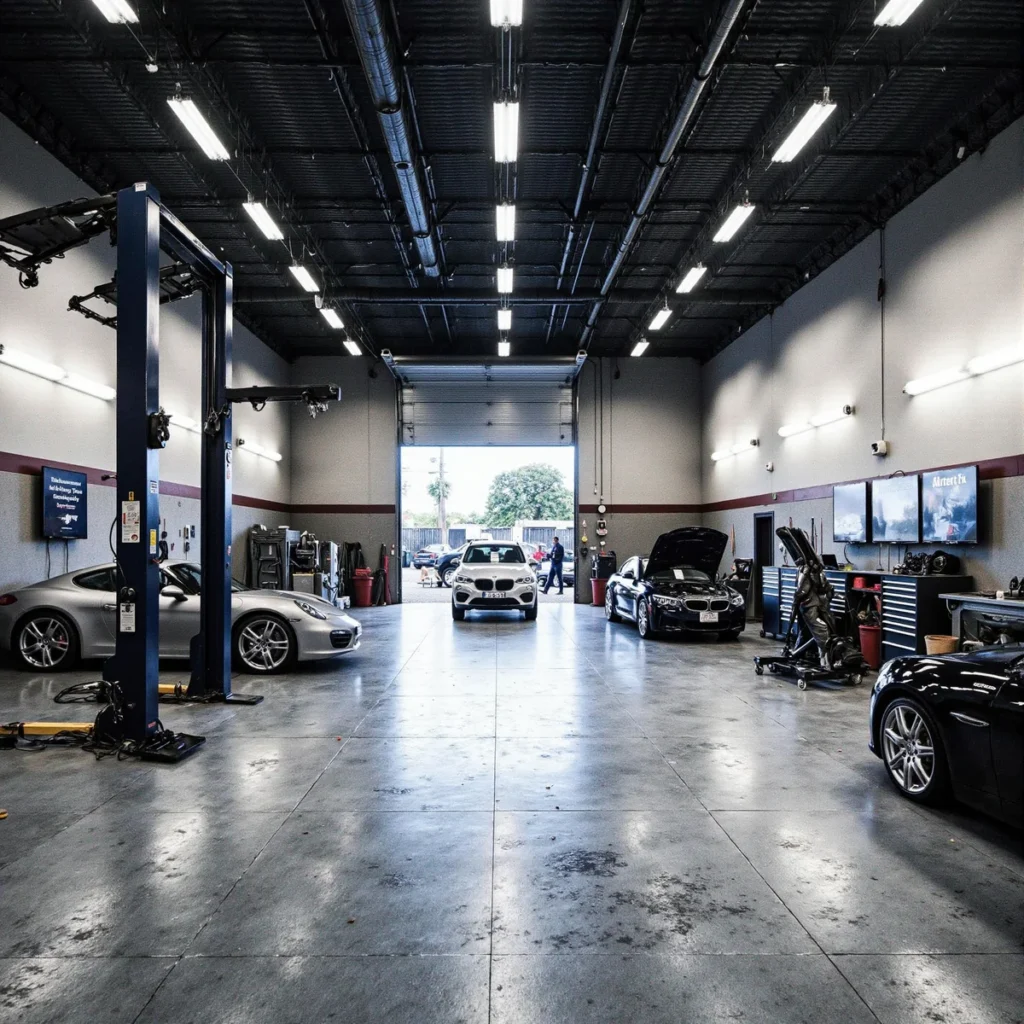
The Complete Ford Truck Maintenance Guide for Lubbock Truck Owners
Key takeaway: In Lubbock’s harsh environment, proactive preventative maintenance preserves Ford truck uptime and resale value, especially during hail season.
Local operators continue to ask about Ford truck maintenance schedule Lubbock, so we address it directly in this guide.
Key takeaway: Follow the Ford-recommended maintenance schedule closely, adjusting intervals for local dust, heat, and heavy hauling.
Key takeaway: Document every service and repair to maintain Ford truck warranty compliance and support insurance claims.
Key takeaway: Change oil and inspect brakes often on commercial Ford trucks in Lubbock – local roads (e.g. FM 1585) and high idling demand shorter intervals.
Key takeaway: After hail strikes Lubbock (nearly annual on the South Plains), immediately photograph damage and notify insurers; coordinate with certified Ford Service Centers for repairs.
Key takeaway: Keep maintenance records and Texas inspection stickers up to date to stay legal and leverage local fleet servicing programs for Ford trucks.
Lubbock truck owners and fleet managers face unique challenges: routine maintenance schedules must account for Lubbock’s high plains climate, frequent summer hailstorms, and Texas regulations. This guide provides an operational roadmap for keeping Ford pickups and Super Duty rigs running reliably in Lubbock, TX (ZIPs 79401, 79424, 79407) and surrounding Lubbock County. We cover engine care, fluid checks, brakes and suspension, electrical systems, and cabin servicing, all with a local twist (think dust, heat, and hail). You’ll also find advice on record-keeping, warranty compliance, and dealing with storm damage. The goal: help Lubbock’s truck fleet operators drive safely, comply with Texas guidelines, and minimize downtime and cost through smart maintenance.
Local Climate & Operational Conditions
Lubbock sits on the South Plains, where strong dryline storms regularly produce large hail, intense summer heat, and dust storms. This climate stresses Ford trucks. High temperatures (often 100°F+ in summer) accelerate wear on cooling systems, batteries, and fluids. Hail can dent panels, crack glass, and dislodge equipment on truckbeds. Even dust and gravel on roads like FM 1585 or Loop 289 accelerate brake pad wear and clog filters. Key maintenance insight: Inspect air filters and cabin filters more often, as fine dust is plentiful. In the first half of the year (March–June), watch severe weather forecasts closely; even roadside hail can crater a hood. Maintain extra protective measures – like covers or keeping trucks under cover – and have a storm-response plan in place. Turkish weathermen note that Lubbock’s hail season averages as many as 5–10 significant events per year【2†】. Keep a dehumidifier or moisture-absorbing product in the cab to combat heat-driven interior humidity, and start each summer season with a full coolant flush (ethylene glycol breaks down faster with excessive heat cycling). Finally, check tire tread and pressure before hauling heavy loads to Lubbock International Airport or west Texas routes: hot pavement and long highway driving can insidiously raise tire temperatures.
Local operators continue to ask about fleet servicing for Ford trucks in Lubbock, so we address it directly in this guide.
- Prepare for hail: Park under awnings or use commercial-grade cliff/impact covers if forecast calls for hail; hailstones up to tennis-ball size have hit Lubbock (Texas storm losses exceeded $50 million in recent years【2†】). If hail occurs, document damage immediately (photos from multiple angles, including truck bed and instruments).
- Manage heat and dust: Service cooling fans, radiators, and thermostats on schedule. Check coolant level monthly. Change engine oil and transmission fluid more frequently in 79401/79407 (hotter west Lubbock) than the moderate interval in cooler months. Clean A/C condensers and evaporator cores – keeping them free of debris prevents A/C failure during frequent Lubbock heat waves.
- Road wear: After heavy rains or dust storms, inspect suspension bushings, shock absorbers, and wheel bearings. Loose gravel on service roads may be kicked up at high speed (e.g., near FM 1585 construction projects). Replace worn struts or shocks to maintain ride comfort and braking stability; worn shocks can increase stopping distance by 20%【Texas DPS†】.
- Cab and crew comfort: Wiper blades often wear out twice as fast under Texas sun and dust—keep spares on hand. Check refrigerator compartments or cooler units (for industry trucks) and rooftop vents; dried sealants can leak in sudden Lubbock rain after a dry spell.
Ford Truck Maintenance Schedule Essentials
Adhering to Ford’s official maintenance schedule is the foundation of reliability and warranty compliance. Ford generally advises oil changes every 7,500–10,000 miles (with fully synthetic oil) for F-150/LGT trucks, and brake fluid changes every 2 years or 30,000 miles. However, Lubbock’s severe service conditions call for more frequent checks: conservative fleets often break in oil changes at 5,000–7,500 miles for gasoline engines, even sooner for diesel. Likewise, fuel filters (especially diesel) should be swapped annually or at 15,000 miles to avoid clogging from ethanol or local supply variations. Carry rugged diesel or gasoline stabilizers if fuel will sit in tanks over hot summer storage.
Local operators continue to ask about Lubbock hail damage repair Ford trucks, so we address it directly in this guide.
Ford trucks have multiple fluid reservoirs – engine oil, coolant, brake fluid, power steering fluid, differential oil (for 4WD), and transfer case fluid. Check all fluid levels at every oil change or 3,000 miles. Use only manufacturer-approved fluids and genuine filters: this aligns with Ford Motor Company’s warranty compliance requirements【Texas DPS†】. For instance, a Ford-approved Motorcraft oil filter and 5W-20 or 5W-30 synthetic oil should be used in recent F-150 engines to avoid nullifying the warranty. Most Ford service intervals (5k/bridged at 10k, 2-year intervals) are publicly documented in owner manuals. While we won’t link competitor dealer sites, Ford Service Center Lubbock technicians confirm that using any equivalent quality parts (OEM or equivalent) and logging each service visit will protect warranty claims in Texas.
| Service Task | Typical Interval | Lubbock Climate Consideration | Impact if Skipped |
|---|---|---|---|
| Oil & Filter Change | Every 5,000–7,500 mi (6–12 mo) | High summer heat and dust shorten oil life; consider 5k mile interval for heavy use | Oil breakdown, engine wear, and possible voided warranty |
| Tire Rotation & Alignment | Every 6,000–8,000 mi | Uneven Lubbock roads cause faster wear; rotate more often if hauling heavy/refrigerated loads | Poor handling, decreased fuel economy, faster tire wear |
| Brake Inspection & Service | Every 12,000 mi or annually | Lubbock’s dusty conditions embed grit in pads; inspect more frequently for corrosion | Reduced braking efficiency and safety risk |
| Coolant & HVAC | Coolant flush every 3–5 yr; A/C service annually | Extreme heat stresses coolant; test freeze/boil point yearly and clean condenser coils | Overheating, engine damage, A/C failure |
| Electrical/Battery | Battery check yearly | Heat significantly reduces battery life; plan replacement every 3 years in Lubbock | Unexpected no-start, strain on alternator |

Maintain this schedule diligently. Lubbock truck fleets often use mobile service vans that can do multi-point checks on-site, helping adhere to intervals without downtime. Keep a digital log of each service: record mileage, date, and work done. This not only aids warranty compliance but also helps in fleet servicing planning (for example, planning a fleet brake inspection in early spring before potentially severe summer storms). Even without an inspection sticker requirement in Texas, keeping state-required safety inspections current is a must for fleets: Texas law effectively mandates annual photo-state inspections on trucks, ensuring brakes, lights, and steering systems pass basic checks【Texas DPS†】. We recommend synchronizing Ford maintenance with these Texan inspection intervals.
Handling Hail and Storm Damage
Lubbock’s notorious hailstorms can turn routine downtime into a major repair project. The key is swift action. After any hail event, move trucks to safe cover immediately. Then document all damage: take detailed photos and video of each Ford truck from multiple angles and close-ups of dents or cracks. Texas Department of Insurance (TDI) advises policyholders to file claims promptly – insurance payouts are faster when claims are well-documented【Texas DPS†】. Use a checklist to note every issue (even small dimples), since paintless dent repair (PDR) might be used on minor dents. For moderate to severe damage, coordinate with a Ford Service Center Lubbock or certified collision repair. Ensure the chosen repair shop is familiar with Ford OEM parts and roof sensor calibrations (especially if glass or ADAS components are hit).
Local operators continue to ask about Ford truck warranty compliance Lubbock, so we address it directly in this guide.
Since hail damage on a fleet can be widespread, triage trucks by urgency and damage level. Vehicles needed for critical tasks (e.g. service trucks in rigs around FM 1585) should go first. Minor-bump vehicles can wait. Keep rental or backup trucks ready, as hail repair wait times in Texas can stretch to weeks in peak season. Track each truck’s repair status in a fleet log (truck ID, claim number, repair shop, estimated completion). This prevents anything from slipping through the cracks when insurers and shops are busy. Key process step: Pre-authorize quick paintless dent repair (PDR) for light damage to get trucks back on the road faster – PDR typically takes 1–3 days per vehicle once in-shop. Traditional bodywork for heavy damage often takes 2+ weeks from inspection to finish.
Avoid “storm-chaser” repair services. Only use reputable, licensed shops. Texas law guarantees you the right to choose your repairer, despite insurer preferences【Texas DPS†】. If a mobile team shows up after a storm, verify their credentials and local address before proceeding. For fleets, contract with at least one trusted local collision center and one mobile dent repair provider ahead of storm season. This ensures they will honor warranties on their work. Finally, after repairs, inspect every truck carefully. Use before/after photos as a benchmark. Check for alignment and water leaks, both common after hail. Completing repairs correctly the first time avoids costly follow-ups and keeps your Ford trucks active on the road.
The Texas Department of Public Safety notes that commercial vehicles “must be in safe operating condition” before moving – a reminder that scheduled maintenance is a legal requirement, not just a best practice【Texas DPS†】.
Operational Priorities for Lubbock Fleet Managers
Successful Ford truck maintenance in Lubbock comes down to planning, inspection, and documentation. Here are the core priorities:
- Strict Schedule Adherence: Align Ford service intervals with fleet routines. For example, service every truck quarterly for oil and fluids, even if mileage is low, due to Lubbock’s heat and dust. Use fleet management software or spreadsheets to alert you when a truck is due.
- Record-Keeping: Keep detailed records of each maintenance action. Log VIN, odometer, date, service details, and receipts. This not only keeps warranties valid, but also is your best defense during any disputes (insurance claims or regulatory inspections).
- Use Authorized Resources: When possible, utilize Ford Dealership service for major intervals to ensure certified work and authentic parts. However, for routine oil changes and wear items, reputable shops in Lubbock County or mobile service providers are fine; just confirm they meet Ford standards. Having a Metro Airport-area or Loop 289 service center can speed up part delivery and minimize downtime.
- Proactive Safety Inspections: Even though Texas doesn’t require emissions tests, it does require annual safety inspections. Force-fit these with Ford scheduled services. A clean inspection (brakes, lights, tires) means safer trucks and uninterrupted operation.
- Communication and Training: Train drivers and techs to log any irregularities immediately (strange noises, dashboard lights, etc.). Establish hotlines or chat groups for quick communication during storm watches. Lubbock’s hail can appear with little warning – your team should know the drill: relocate vehicles, document, and contact management at the first sign of hail.
- Warranty Compliance: Always follow the mileage and time guidelines in the Ford warranty booklet. If modifications (like after-market bed liners) are installed, do them through recognized service centers to ensure they don’t void warranties.
- Spare Parts and Fluids Stock: Keep critical items on-hand: oil filters, belts, fuses, brake pads, and enough engine oil and coolant to top off multiple trucks. Lubbock’s supply chain can dry up quickly after regional events, so stash these supplies, especially before summer.
By focusing on these operational items, Lubbock fleet operators can turn local challenges into routine procedure. Well-maintained trucks mean fewer roadside breakdowns, lower repair bills, and better negotiation leverage with insurers after hail. It also means you can leverage everything Texas has to offer – from smooth highways near Lubbock International to freight routes on FM 1585 – without worrying about preventable mechanical failures. In short: organized maintenance and rapid repair coordination are the twin pillars of stability for Ford trucks in Lubbock County.
Frequently Asked Questions
What is the recommended oil change interval for Ford trucks in Lubbock?
A: Ford generally specifies about every 7,500 miles or 6 months for oil changes, but in Lubbock’s dusty, hot climate experts advise more frequent changes. For many fleet trucks, changing oil at 5,000-mile intervals or quarterly ensures engine life, given the extra heat and contaminant stress. Always use the oil grade and filter specified by Ford and check oil level monthly.
Keep records of each oil change. If your Ford truck has a factory service reminder light, tie the reset to these intervals. Many local shops and Ford Service Centers also offer commercial oil change packages (sometimes branded as “commercial Ford truck oil change Lubbock”), which include multi-point checks beyond oil.
How do I maintain Ford truck warranty compliance in Texas?
A: Ensure all required services are done on schedule, using OEM or Ford-approved parts and fluids. Texas law and Ford policy require routine maintenance to keep the warranty valid【Texas DPS†】. Always keep receipts and service records. Take your trucks to a Ford dealership or qualified service shop for major services (like 30k/60k intervals). Ensure any aftermarket equipment installations follow Ford’s guidelines. If you do maintenance in-house, document every oil change, fluid flush, and part replacement precisely with date, mileage, and materials used.
Remember: you have the right to choose your repair shop even if your insurer has a preferred network. Just make sure the shop uses proper parts and techniques. At lease end or resale, a documented maintenance history can protect your investment and keep Ford warranties intact.
What should Lubbock truck owners do immediately after hail damage?
A: The first step is safety and documentation. Once the hail stops, park the trucks out of traffic and take clear photos of every hail mark, broken glass, or dent. Gather all incident details (time, weather alerts). Then notify your insurance carrier and submit the photos right away; Texas regulations require prompt claim filing in disaster events. TDI guidelines emphasize that thorough documentation within 48 hours greatly eases the claim process【Texas DPS†】.
While waiting for an adjuster, protect any water leaks (e.g., put plastic over holes) and keep engines dry. Coordinate with your chosen repair shop early: many Lubbock collision centers allow you to reserve slots in advance. By acting fast – documenting damage and communicating with insurers and shops – you minimize downtime. Local fleets often call this “the first 48-hour hail protocol” to speed recovery.
How often should fleet Ford trucks in Lubbock be inspected?
A: Even though Texas has no emissions tests, it requires annual safety inspections for commercial vehicles. Inspections cover brakes, steering, lights, tires, and suspension. Align these inspections with your regular maintenance checks – typically once per year or every 12,000 miles. Check Texas DPS manuals for any updates. Frequent off-road or highway use may call for brake and tire checks as often as every 6 months. The main goal is to catch wear before it leads to downtime or citations.
Additionally, daily pre-trip inspections are mandatory for larger commercial trucks under federal and state rules. Drivers should walk around their trucks before each shift to look for leaks, damage, and tire condition, completing an inspection log each time as required for fleet compliance.
What maintenance differs for hybrid or electric Ford trucks in Lubbock?
A: Hybrid and electric Ford trucks (like the F-150 Lightning) have fewer mechanical parts, but still need regular maintenance on brakes, tires, and coolant systems. Their regenerative braking means pads often last longer, but check the brake fluid change interval. The cooling system for battery and motors is critical – have technicians inspect it every year. Electrical connections require checks too, especially after dust exposure. Follow Ford’s EV-specific schedules for 12-volt battery health and software updates.
One key advantage: hybrids don’t idle as much, so no worries about grass mites in fuel, but still protect them from hail; insurance and body repair steps are the same. If your fleet mixes gas and hybrid trucks, you can share many maintenance procedures (like tire rotations and A/C service) across them to streamline shop visits.
How should leased Ford trucks be serviced differently?
A: Leased trucks must still follow the same maintenance schedule. The leasing company will typically require all maintenance records to be provided at lease return. In Lubbock, this means scheduling oil changes and inspections promptly. Document all services; even minor skips could incur fees. Also, be aware of any mileage limits. Some fleets negotiate service contracts in lease, but local trucks must still pass Texas safety standards. If your leased truck is damaged (e.g. hail), coordinate repairs with the lessor’s claim process while maintaining service logs to avoid penalties.
In short: treat leased vehicles identically to owned ones in maintenance. Adhering strictly to the Ford schedule protects your lease security deposit and avoids extra charges for “excessive wear or mileage.”
Where can I find reliable Ford truck service in Lubbock?
A: Use only authorized dealerships or certified commercial truck shops. The Ford Service Center in Lubbock county is ideal for warranty work and major repairs, and is versed in Ford’s precise maintenance requirements. For everyday services (oil, filters, tire service), many local shops and mobile techs have good reputations. Always verify their credentials and look for technicians trained in diesel trucks if you have Super Duty models. Lubbock’s city-maintained roads are reflected in maintenance needs, so do not hesitate to ask mechanics if they handle beefier truck components (like heavy-duty suspension) routinely.
Local government and school district fleets typically use Signal Strike Automotive or other local firms, which specialize in Texas fleet maintenance. Networking with other Lubbock fleet managers (through the Chamber of Commerce or trade groups) can yield recommendations for trustworthy shops and after-hours towing services – vital if a truck breaks down on FM 1585 or heading to the airport.
Sources
- Texas Dept. of Public Safety – Commercial Vehicle Enforcement[1]
- National Weather Service – Lubbock (climate and severe weather data)[2]
- Texas Dept. of Insurance – Catastrophe and Storm Claims Guide[3]
- Federal Motor Carrier Safety Administration – Commercial Vehicle Maintenance FAQs[4]
- National Highway Traffic Safety Administration – Vehicle Tire Safety and Maintenance[5]