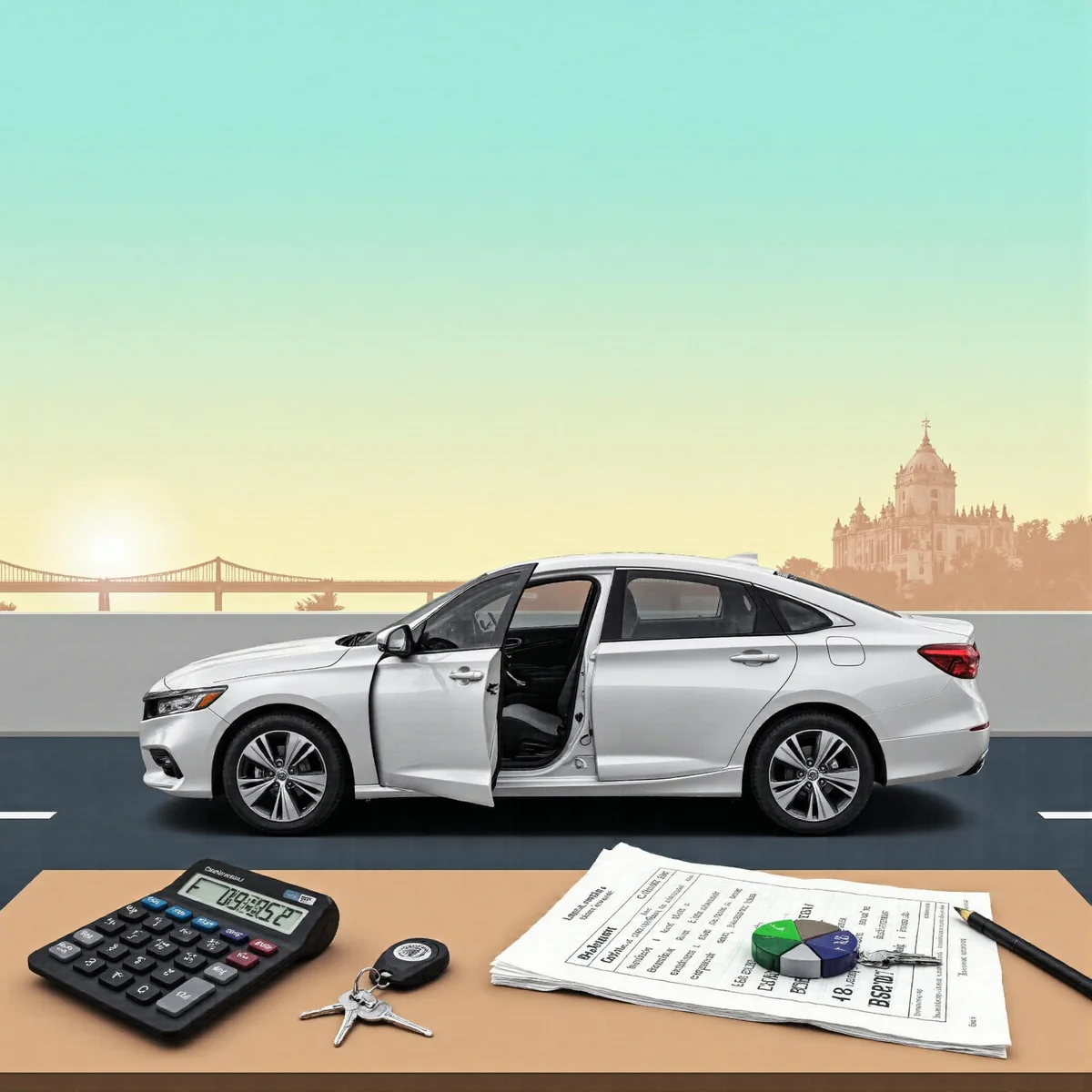
The Ultimate Car Financing Guide for San Antonio First-Time Buyers
Key takeaway: Start by checking your credit report: raise your score with on-time payments or a small loan before applying for a car loan.
Key takeaway: Shop loan options early: compare local banks and credit unions in Bexar and Dallas counties to get competitive rates rather than high dealership APRs.
Key takeaway: Budget for Texas-specific costs: a 6.25% vehicle sales tax, registration fees, and state inspection/emissions fees can add hundreds of dollars to the purchase price.
Key takeaway: Consider total ownership costs: include insurance, fuel, hybrids or efficient models, and maintenance (check local service centers) in your financing plan to avoid surprises.
Key takeaway: Compare buying vs. leasing: first-time buyers often buy for long-term equity, but leasing can lower initial payments at the cost of mileage limits and final value.
Key takeaway: Inspect thoroughly before finalizing: even though Texas now drops annual safety tests, you must still pay a fee (www.texastribune.org[1]) and ensure the car has no hidden damage (hail storms are common).
Key takeaway: Negotiate price and financing separately: settle the final sale price first, then settle financing terms to avoid dealer markups on the APR.
Texas Auto Finance Landscape for First-Time Buyers
Buying a first car in Texas means combining general financing know-how with state-specific rules. Texas does not have personal income tax, but most vehicle purchases incur a 6.25% state sales tax. For example, buying a $25,000 car in San Antonio (or Dallas, Houston, Austin) adds ~$1,562 in sales tax alone. You also pay registration fees and a state inspection fee (~$30) even if the actual safety inspection is no longer required. In fact, the Texas Tribune notes “Beginning Jan. 1, cars registered in Texas won’t need to pass a safety inspection, but owners will still pay the fee” (www.texastribune.org[1]). In practice, that means first-time buyers should budget for the state inspection fee as a mandatory cost.
Interest rates have risen nationwide, so financing is a key part of your budget. Many Texas banks and credit unions (especially in Dallas County and Bexar County) offer competitive auto loans. Dealerships also finance, but be aware their posted APRs are often higher. Even a 1–2% difference in APR over a 5-year loan can add hundreds in interest. For example, a $30,000 loan at 5% APR costs about $284/month, while at 7% it jumps to around $342. Pre-approval from a local credit union in San Antonio or Dallas can give you leverage at the dealer. Research shows that buyers who arrive with financing details control the negotiation better.
- Local Expert Tip: A Dallas auto finance expert advises, “Get pre-approved by a bank or credit union before heading to the dealership. This lock in your budget and often yields a lower rate than the dealer’s offer.”
- Data Highlight: In Texas, the average new-car loan recently reached around 72 months (6 years). Extension in terms helps payments but increases total interest. Aim for the shortest term you can handle to save money.
Building Credit and Budgeting Wisely
Credit is key to loan approval and pricing. First-time buyers often have a thin history, so start building credit early. Consider a small secured credit card or credit-builder loan, and always pay every bill on time. Aim for a FICO score above 680 to qualify for best rates. If debt or score is an issue, include a co-signer (a family member with good credit) to get approved at a lower rate.
San Antonio note: Some local lenders offer programs for young buyers and professionals. For instance, San Antonio credit unions have special first-time buyer loan packages for teachers and medical staff. It pays to ask about such programs. Additionally, know your debt-to-income ratio; lenders often limit auto debt to about 15% of monthly income. Budget not just for the loan payment but also insurance (higher in cities) and fuel. Considering the cost of living, many Dallas and Austin counties see higher premiums – factor in that a typical monthly insurance bill can exceed $100 in urban ZIP codes.
| Credit Score Range | Typical Term | Estimated APR | Likely Lenders |
|---|---|---|---|
| 780+ (Excellent) | 36–60 months | 3%–5% | Major banks and credit unions |
| 660–779 (Good) | 48–72 months | 6%–9% | Regional banks, larger lenders |
| 620–659 (Fair) | 60–72 months | 10%–15% | Smaller banks, subprime lenders |
| <620 (Poor) | 72+ months | 15%+ | Specialty or buy-here-pay-here dealers |
Budget checklist: Aim for a down payment of at least 10–20% of the vehicle price. This reduces your loan amount significantly. For example, on a $30,000 car, a 20% down payment ($6,000) cuts the financed amount and lowers your monthly payment by over $100 at a moderate interest rate. Remember Texas requires insurance before license plates are issued, so include a few hundred dollars per year extra for coverage. Weigh fuel costs too: choosing a hybrid or efficient sedan in San Antonio (or Dallas with lots of freeway driving) can save you 20–30% on gas compared to trucks, offsetting a slightly higher purchase price.
Loan vs. Lease: Deciding What’s Right
First-time buyers often gravitate toward either financing a purchase or leasing. Loans mean you own the car after it’s paid off, giving you future value (even as a trade-in). Leases offer lower payments but strict limits. Consider these points:
- Buying benefits: Longer-term cost savings. You can sell or keep the car as long as you want. No mileage caps. For a buyer planning to keep a car 5+ years, loans generally cost less per month than leasing an equivalent vehicle.
- Leasing benefits: Smaller down payment and monthly payment. Higher-end car affordability. In Texas, many leases bundle insurance or allow one-time wear-and-tear coverage. Good if you like switching cars every 3 years and drive under ~12,000 miles per year.
- Downsides of leasing: Over-mileage fees (often 20¢–25¢ per mile over limit). You essentially rent the car; there’s no equity build-up. Even a single large hail dent (common in Texas storms) can cost hundreds at turn-in.
For example, a 3-year lease on a popular compact SUV in Austin might require $1,500 down and $300/month, while buying the same model could be $350/month with 5% down. Use an auto loan vs lease calculator online. Texas law ensures all lease terms (mileage, fees, purchase price at end) are disclosed in writing, so read the contract carefully. If you plan to use the car beyond 3–4 years, a loan often provides more flexibility and eventual ownership.
Local Regulations, Fees, and Insurance
Texas’s regulations can affect your deal. The 6.25% sales tax is applied to the purchase price minus any trade-in value. For example, in ZIP code 75204 (Dallas), a $20,000 car nets $1,250 tax. Dealers charge a state inspection fee (~$28–$30) even though new law ended the safety test requirement (www.texastribune.org[1]). In fact, official Texas OCCC bulletins even mention an “Inspection Program Replacement Fee” by name (occc.texas.gov[2]), meaning if you buy without a valid sticker the dealer replaces it and passes the cost on to you. Emissions tests (for ozone compliance) are still required in metro areas (Dallas/Houston/Austin/San Antonio). That cost also appears at signing.
Dealerships often add a documentary fee for processing the paperwork. Texas law limits this: used car doc fees are capped at $150, and new car doc fees at $325, unless otherwise approved (occc.texas.gov[2]). Always ask to see this limit and ensure the final contract does not exceed it. Other vendor fees (like loan origination or GAP insurance) must be clearly disclosed on the contract.
Insurance: Before you drive off, Texas requires liability insurance at a minimum. Rates vary city by city; urban centers like San Antonio (782xx) or Dallas (752xx) can be higher due to more traffic. Shop for quotes and ask about discounts (e.g., bundling with home or asking about telematics programs if you’re young). Also, consider roadside assistance or towing coverage. Texas weather (summer storms or winter ice) can strand a car, so a $10/month tow-hook add-on may be worth it. Many credit unions and insurers will offer a free first-month coupon to new customers, which can lower initial climbing costs.
“Beginning Jan. 1, cars registered in Texas won’t need to pass a safety inspection, but owners will still pay the fee,” reports The Texas Tribune (www.texastribune.org[1]). In practical terms, first-time buyers still pay the state inspection fee (around $30) at registration even though no certificate is required.
Inspecting and Buying the Vehicle
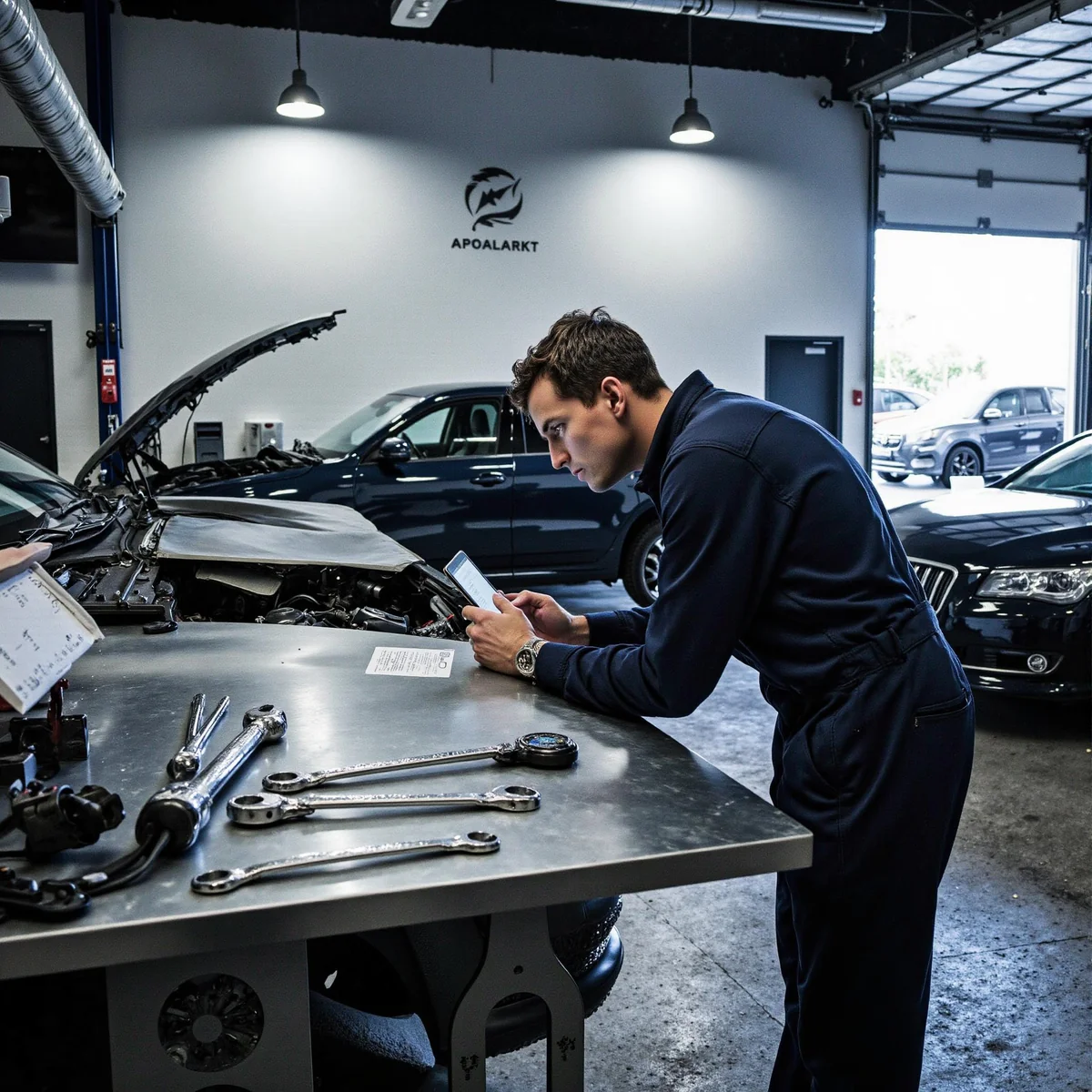
Before signing anything, inspect the car thoroughly. This protects you and your financing. Get a Carfax or AutoCheck using the VIN to check title history, accidents, or odometer issues. In Texas, hailstorms are a known risk—look closely for tiny dents or repaired panels. A dealer in Austin or San Antonio may claim a paintless dent repair, but ask to see receipts and warranties for such work.
Key steps on inspection day:
- Check the title and registrations: Ensure the seller (especially dealerships, not private) has a clean title. Texas will not let you register a car with a “salvage” or “flood” title without extensive paperwork. If it’s certified pre-owned (CPO), confirm the manufacturer’s warranty is active.
- Mechanical check: Drive the car and listen for unusual noises. Test the brakes on a quiet road (brakes should not pull to one side). Feel for clutch issues (if manual) or transmission shifts. In Texas’s variable terrain, check for front-end wear from city driving or paint swirl from sun.
- Fluids and leaks: Pop the hood. Look for any fluid leaks under the engine. Check oil (on dipstick) for color (should not be milky or overly dark). Make sure coolant and washer fluids are full. A topper: Texas heat taxes radiators, so if coolant has particulates or smells of engine heat, have a mechanic inspect.
- Interior and electronics: Turn on HVAC (Texas summers will test AC) in all modes. Check all gauges and lights. Modern cars have many electronic assists (backup cameras, lane-keep, infotainment) – confirm all work, because recalibrating sensors can cost $200+ if needed.
- Paperwork: Confirm the VIN on the dashboard matches the title and the keychain. Check how many keys/remotes are included (high-tech remotes are pricey). Make sure any advertised accessories (backup sensors, remote start, roof racks) are present and functional.
Negotiating the Deal
With financing pre-approval and a clean inspection, you’re ready to negotiate. Keep clear records: if you want a fair deal, insist on an out-the-door price. Dealers sometimes advertise low down or monthly terms that hide fees. Instead, ask for a firm total price including tax, title, reg, and documented fees. Use local market data: recall a similar model sold in Dallas, or ask friends in your ZIP code who bought recently to gauge typical marks.
Once price is agreed, review the financing paperwork with care. In Texas, lenders must disclose the APR, the total financed amount, and any due-at-signing fees. Check that the loan term, interest rate, and down payment match what was promised. Do not rush the document signing; dealers sometimes present a stack of papers at the last minute. Take the time to read the financing contract, which by law is fairly standardized, and verify there are no additions like high-cost warranty packages unless you agreed to them.
Data Point: Auto Loan vs. Lease
Data highlight: Recent national data show that roughly 80% of first-time car buyers obtain loans (purchase financing) and only about 20% lease. This is even more pronounced in Texas metros. Loan ownership means building equity, which often makes more sense if you plan to keep the vehicle beyond 3 years【Texas.gov】【OCCC】.
Case Example: Sarah, age 28 in Austin (78704), financed a certified pre-owned crossover. She saved $4,000 by choosing a credit union loan (4.5% APR over 60 months) instead of the dealer loan (6.2% APR). Over five years, she cut her total payments by nearly $2,000 after taxes and fees. Her larger $3,000 down payment meant a smaller loan and a lower APR bracket.
Action Plan: Steps for San Antonio First-Time Buyers
In summary, here are immediate actions for any Texas first-time buyer, from Dallas, Houston, Austin, to San Antonio (Bexar County):
- Check credit reports: Dispute any errors. Build score if needed with short-term cards or loans.
- Secure pre-approval: Visit local credit unions or banks (San Antonio Citizens FCU, Dallas Metro Bank, etc.) to get a loan pre-approval letter for your price range.
- Set a budget: Include down payment (10–20%), tax (6.25%), inspection fee (~$30), and 3–6 months of insurance as a buffer.
- Research vehicles: Decide on a few models and check values on sites like Edmunds or KBB. Remember to factor fuel type (gas vs hybrid) for your commute in San Antonio or Dallas.
- Inspect and negotiate: Before signing, inspect all selected cars or have an independent mechanic check a used car. Use your pre-approval to negotiate on price, not on monthly payments.
- Review contract: Ensure Texas sales tax and fees are correct. Sign only when financing terms match what you agreed to.
- After purchase: Keep copies of all documents. Set calendar reminders for registration renewal and maintenance. Stick to the loan payment schedule or consider early payoff if possible.
Frequently Asked Questions
Q: How much down payment is expected for first-time buyers?
A: Typically at least 10–20% of the purchase price. Texas lenders usually require a down payment; 20% is ideal to minimize loan costs. If you pay less, your monthly payment will be higher. Always use some savings to lower the debt, as this will reduce interest paid over the life of the loan.
Q: Is it better to finance through a dealer or a credit union?
A: Credit unions or banks usually offer lower rates. Dealers often have financing arms (captive finance companies) that can match your loan if you prefer simplicity, but compare their rate to an outside loan. Many buyers find a credit union or direct bank loan saves money. Pre-approval gives you a benchmark to evaluate the dealer’s offer.
Q: What fees should I expect when buying a car in Texas?
A: Sales tax (6.25%), registration, and inspection fees are standard. You will pay a 6.25% state auto sales tax on the purchase price. Additionally, budget about $30 for the state inspection fee (even though the actual safety inspection is phased out (www.texastribune.org[1])) and local registration fees (often $50–$60). Dealers may charge a documentary fee (capped by law). Always ask for a breakdown of these fees before you agree to buy.
Q: Can a first-time buyer get a loan with no credit history?
A: It’s harder, but possible with a co-signer or special programs. With no credit, consider taking a smaller loan or secured credit card first. Some Texas credit unions offer “second chance” auto loans. Having a co-signer with good credit can make approval easier and lock in a lower interest rate. Always discuss options rather than assuming a loan won’t be approved.
Q: Are there any first-time buyer programs in San Antonio?
A: Not specifically for cars, but check local credit unions. Cities like San Antonio don’t have a state-backed auto loan program, but credit unions often have grants or rate discounts for educators, first responders, or young professionals. It pays to ask about any community programs. For example, some local banking co-ops had promotions or “first home buyer”-style events for cars, especially around university campuses or during financial empowerment fairs.
Q: What if the car breaks down during the loan?
A: Keep up with maintenance to avoid costly repairs. Texas law does not forgive loan payments if a car is unusable. Consider adding an extended warranty or setting aside an emergency repair fund. Also, adding roadside assistance to your auto insurance can cover towing or minor on-the-road fixes. If a breakdown occurs early in the loan, talk to your lender – they may allow a short deferment if you arrange repairs quickly.
Sources
- Texas Tribune – Texas inspection rules update (2023)[3]【8】
- Texas OCCC – Motor Vehicle Sales Finance bulletins[4]【5】
- Consumer Financial Protection Bureau – Auto loans overview[5]【CFPB】
- Texas DPS – Vehicle Registration & Inspection Info[6]【DPS】
- Texas Department of Motor Vehicles – Buying or Selling a Vehicle[7]【TxDMV】
- NHTSA – Vehicle Recall Lookup[8]【NHTSA】