5 Proven Steps That Protect Your Dallas Car Purchase From Hidden Problems
If you’re buying a car in Dallas or across Texas (including urban ZIP codes like 75201–75205, 77001–77005 in Houston, 78201–78205 in San Antonio, 78701–78705 in Austin, and even Lubbock’s 794xx), you need an ironclad plan. From thorough inspections and history checks to leveraging Texas vehicle laws, these steps help operators, fleet managers, and individual buyers avoid unpleasant surprises. We focus on actionable, local advice in Texas, not generic sales pitches.
Step 1: Choose a Reputable Dealer and Financing Partner
Key takeaway: Work only with licensed Texas dealerships or sellers that allow independent oversight of every used vehicle.
Dallas-area buyers (zip codes 75201–75205) should start by vetting sellers. Use trusted, licensed dealerships that are transparent about vehicle history and warranty options. In Texas, dealers are required to be bonded and follow state consumer protection rules – make sure you see the dealer’s license number on all paperwork. Check online reviews or the Texas Department of Motor Vehicles (TxDMV) records for any complaints. If you’re financing, compare dealership finance rates with banks or credit unions in Dallas– the goal is to avoid costly hidden fees. Remember, dealerships often earn a commission on financing and service contracts, so ask for the true breakdown of charges. A good dealership will willingly provide a clear “out-the-door” price sheet showing sales price, taxes, and any added services separately. Dallas buyers benefit from the competition among Texas auto dealers, but don’t be swayed by gimmicks – focus on the vehicle’s condition and paperwork instead of promos.
For fleet managers, acquiring multiple vehicles amplifies risk of hidden flaws, so insist on batch inspections or certifications. For example, if buying a mix of hybrid vans to patrol downtown Houston (77002) and pickups for Austin (78703), make sure each is inspected by a qualified technician. Inquire whether the dealership does a multi-point service inspection on used vehicles, and whether they’ll honor a short return window if major issues turn up. If the dealer balks at reasonable questions, move on. Many Texas buyers join groups like the Better Business Bureau or check stripe.org or local industry associations to find reputable partners offering warranties or third-party inspection allowances.
Step 2: Conduct a Thorough Pre-Purchase Inspection
Key takeaway: Before you finalize a sale, have an ASE-certified mechanic perform a comprehensive inspection, checking everything from the engine to the undercarriage for hidden damage.
No matter how clean the car looks, never skip a professional inspection. Many organizations like AAA recommend an ASE-certified technician for this step【1†】. A trained mechanic will test all critical systems (engine, brakes, transmission, suspension, steering, and electrical components). In Dallas and across Texas, common hidden issues include hail or flood damage (depending on location) and engine problems. The inspector will raise the hood and also check underneath: rusted frame rails, oil leaks, or repaired welding can signal past wrecks. Make sure the shop uses diagnostic tools (OBD-II scanners) to detect check-engine codes that the seller may not have disclosed.
In Texas, vehicles must pass an annual state inspection before registration (www.dps.texas.gov[1]). As Texas DPS explains, “Motorist’s safety is a top priority in Texas; vehicles registered in Texas are required to pass an annual inspection to ensure compliance with safety standards” (www.dps.texas.gov[1]). This means an inspection station will examine lights, brakes, and more – use the same checklist during your pre-purchase inspection. For example, faulty windshield wipers or taillight bulbs will fail Texas safety checks, so have the mechanic verify them. If dealer-service records are available, review them. In Dallas neighborhoods from Uptown (75204) to Oak Cliff (75216), many older used cars have worn brake pads or bald tires that dealers often fix just before sale. An inspector can catch a worn brake rotor or leaky coolant hose that’s easy to overlook.
- Test Hail Damage: Texas hails are notorious. Check for small dents on roofs, hoods, and trunks. If you see many tiny dings or a rippled paint finish, that suggests unrepaired hail damage common in North Texas storms. Hail-damaged cars may have stretched panels that don’t align perfectly, so have the tech specifically examine body panel fits and paint thickness under a light.
- Check for Flood Corrosion: If the car is from a Houston (770xx) or San Antonio (782xx) zip code, flood damage is a real risk. Have the mechanic look for water staining in door jambs, rust around under-dash wiring, or a musty odor. Even if the title isn’t branded “flood,” hidden flooding can wreck electronics.
- Hybrid or Electric Cars: If you’re buying a hybrid title (e.g. Toyota Prius, Tesla) in Dallas or Austin, confirm that high-voltage batteries and electric motors were serviced by dealership technicians. Hybrid-specific components should be checked for recalls or service bulletins (some battery packs degrade over time). Many shops near Austin (787xx) are now certified for EV inspection, so ensure experts examine the hybrid system.
Aside from the mechanic, do your own walk-around. Use an LED inspection light on the panel interior to make dents pop out. Check under the car (or have it on a lift if possible) for structural rust. Even paint coding stickers under the hood can tell you if panels were replaced—mismatched factory codes indicate major bodywork. Call out every scratch, ding, or imperfection in writing before buying. If anything fails during inspection, negotiate repairs or a lower price; the alternative questions your deal.
Step 3: Verify Vehicle History and Title Details
Key takeaway: Always run a vehicle history report (VIN check) and inspect the title for salvage or lien records before purchase.
A vehicle’s title and history report can reveal red flags invisible in a test drive. In Texas and nationwide, use services like Carfax or AutoCheck (or the free NMVTIS system via painteddatabase.read.gov) to see records of accidents, title brands, odometer updates, and ownership. These reports may show if the car was declared a “salvage” or “flood” loss, or if the odometer was rolled back. In our geography, consider these local notes:
- Salvage Title: Texas law requires a new-title brand if a car was totaled or rebuilt. Ensure the seller presents a clear title with no “salvage” or “flood” brand. The title should match the VIN exactly. If buying in Dallas (752xx) or Houston (770xx), request a Texas Department of Motor Vehicles (TxDMV) title history. TxDMV’s Lemon Law and Title Services pages emphasize full disclosure【3†】, though often only new vehicles get lemon coverage. Still, the DMV can check for liens or salvage records.
- Odometer Accuracy: Compare the mileage on the odometer to the service records or state inspection stickers. Texas mandates odometer disclosure on title transfers, but unscrupulous sellers may swap clusters. Check for wear: if a car shows 40,000 miles but the pedals and seat are thoroughly worn, investigate further. Texas doesn’t have a special odometer law beyond federal requirements; use the inspection report history to double-check mileage over time.
- Recall and Service History: Use the VIN at NHTSA’s recall page[2] to see open recalls. If any safety recall is unresolved, the selling dealer in Texas should fix it before sale. Also request maintenance records—ask if scheduled Texas emissions or safety inspections (as required in Dallas and Houston) passed each year. If posted, download repair invoices or get the full-service record. Gaps or no records at all should make you cautious.
The Texas Lemon Law may not apply to most used cars, but it teaches buyers a lesson: if defects aren’t fixed, manufacturers must repurchase or replace new vehicles【3†】. This underscores the importance of knowing your rights and the vehicle’s history before you buy.
In short, never rely on the seller’s word alone. Document every check with photos or printouts of reports. If possible, verify the VIN plate hasn’t been altered (it should match the title and history exactly). Even for leases being sold off, confirm no past accidents or damage. Texas does not limit backyard seller rights as much as some states, so you bear the burden: “buyer beware” truly applies unless a dealer discloses defects. This step ensures no surprises after you drive off the lot or leave with the new fleet vehicle.
Step 4: Perform a Detailed Test Drive and Systems Check
Key takeaway: Drive in real-world conditions and check electronics, HVAC, brakes, and steering to uncover any underlying issues before final payment.
A test drive in Dallas traffic or on nearby highways (I-35, I-45) is indispensable. On the road, listen for engine idling smoothly, shifting gears securely, and brakes that feel even (no pulsing or squeal). Texas summers test a car’s A/C and cooling system hard, so ensure the air conditioner blows cold and the engine doesn’t overheat. Check all electronics: power windows, infotainment, lighting (especially brake lights and turn signals). For newer vehicles with driver-aid features (lane assist, backup camera), confirm those systems work – a failed auto-dimming mirror or non-responsive sensors could indicate deeper faults.
- Brakes and Suspension: A sudden stop should feel solid without pulling to one side. If the ride feels unusually bumpy or the steering wanders on a smooth Dallas highway, the shocks or alignment may be off. Have the mechanic test the brake fluid for water contamination, which Texas heat can mask, and look at brake pads/rotors wear—if the seller budgets no metric on remaining life, factor it into price negotiation.
- Steering and Alignment: On a road like Dallas’s Katy Trail or Austin’s Loop 1, the car should track straight without constant steering corrections. Excessive play or unusual vibration suggests steering rack or wheel issues.
- Hybrid/Electric Features: If the car is a hybrid (symbolic in voice), switch between charge modes and run it to battery emptiness. Check the hybrid computer for error codes or long charge times. Insist on a battery health readout if possible. Hybrid batteries in older Priuses or EVs can degrade substantially; replacement can cost thousands, so verify any remaining battery warranty under federal law or extended plans.
You should complete the drive by testing slip, skid, or towing readiness if applicable. For example, if you intend to tow a trailer with an F-150 or Nissan Titan, test the engine and transmission under load on a Texas highway ramp. This effectively combines mechanical inspection with environment. Note anything unusual and ask the dealer to address it—perhaps require fresh coolant or brake fluid change. A final tip: repeat short tests under different conditions (city vs highway, cold start vs warm) to catch creeping issues like slow oil pressure ramp-up or hesitation when accelerating.
Step 5: Understand Warranties, Contracts, and Texas Vehicle Laws
Key takeaway: Clarify any remaining factory or extended warranty and know Texas’ vehicle laws (including your rights and obligations) before driving away.
Even if buying used, a car may carry over some original factory warranty (especially powertrain coverage). Ask for documentation on any balance of warranty, including whether transferring it to you costs extra. If buying new, Texas’ Lemon Law (enforced by TxDMV) provides remedies if the vehicle has repeated issues【3†】. For used car purchases in Texas, note that “as-is” sales by private parties often carry no warranty – the dealer should clarify if they offer a short-term dealer warranty (commonly 30–60 days on used cars).
Read every document thoroughly. Texas requires the seller to disclose previous salvage/flood titles in writing. Also check any financing or lease agreement closely: dealerships may claim you keep the same monthly payment as leaseholder, but fees like acquisition or disposition costs can sneak higher prices. The keyword “lease” reminds us that if buying off-lease, request the lease-end inspection report for potential damage charges. For any added service contract or insurance, verify exactly what it covers (towing and rental cars, for example) and how claims are handled.
Finally, register and insure the vehicle immediately. Texas law mandates insurance of at least $30/60/25 liability before you drive. Dallas County (and counties you may travel through like Travis or Harris) also require the new owner to title the vehicle at the county tax office. Keep the title work receipts with your records. After closing the sale, schedule the first state inspection at a DPS-certified station – Texas requires this by law (www.dps.texas.gov[1]). Passing this safety/emissions check (if applicable in Dallas/Houston) finalizes the car’s roadworthiness and protects you from hidden safety issues not caught earlier.
Preventive Post-Purchase Actions
Key takeaway: Even after buying, take quick follow-up steps: confirm all agreed repairs were done, get a thorough service, and record everything for future safety and resale value.
Once the car is yours, maintain the momentum of protection. First, drive it to the service department (the original dealer or any trusted Austin/Houston mechanic) for a full “post-sale” check-up—ask that the oil and filters be changed and all fluid levels topped off. During this service, mention any minor issues and confirm resolution. This is also a good time to refresh wax or apply a sealant, as Texas sun can exacerbate small exterior flaws into rust. Keep all service invoices and emails – these build a documented history that can enhance resale value or support a warranty claim if needed.
Stay vigilant: log dates of future oil changes, insurance renewals, and the next Texas inspection due. If any unusual noises or leaks begin, address them immediately instead of waiting—they could stem from initial undetected damage. For trucks or fleet vehicles, add a reminder to tighten bed bolts and recheck lights after the first 500 miles; long highway trips can rough up connections. If the vehicle is leased, remember all terms (keep it properly serviced to avoid disposition fees).
| Hidden Issue | What to Check | Local Context / Resources |
|---|---|---|
| Accident / Frame Damage | Inspect uneven panel gaps, mismatched paint, frame rust under welds. | Texas requires annual safety inspections which include chassis checks【5†】; NMVTIS title checks reveal rebuilt/salvage records. |
| Flood / Water Damage | Look for waterlines, corrosion under seats, musty odor, electronics failure. | High flood risk in Houston (770xx) and San Antonio (782xx); check for “flood” title brands via Texas DMV records. |
| Hail Damage | Examine for small dents, paint cracks on roof and hood, popped rivets. | Texas hail is frequent (Dallas, Lubbock); consider bringing a paintless dent repair expert for inspection or getting a magnet test for filler. |
| Odometer Rollback | Compare service records to mileage, check gear wear vs. mileage. | Texas requires odometer disclosure on title; cross-check county inspection stickers and service logs. |
| Hybrid / Battery Issues | Perform a full hybrid system diagnostic, check battery charge cycles, and look for warning codes. | Hybrid adoption is growing in Texas; ensure any used hybrid has service records from an EV-certified Texas repair shop. |
| Hidden Mechanical Wear | Listen for engine ticks (valve issues), check fluid condition and levels during inspection. | Texas heat can mask oil problems; request oil analysis or flush if history is unclear. |
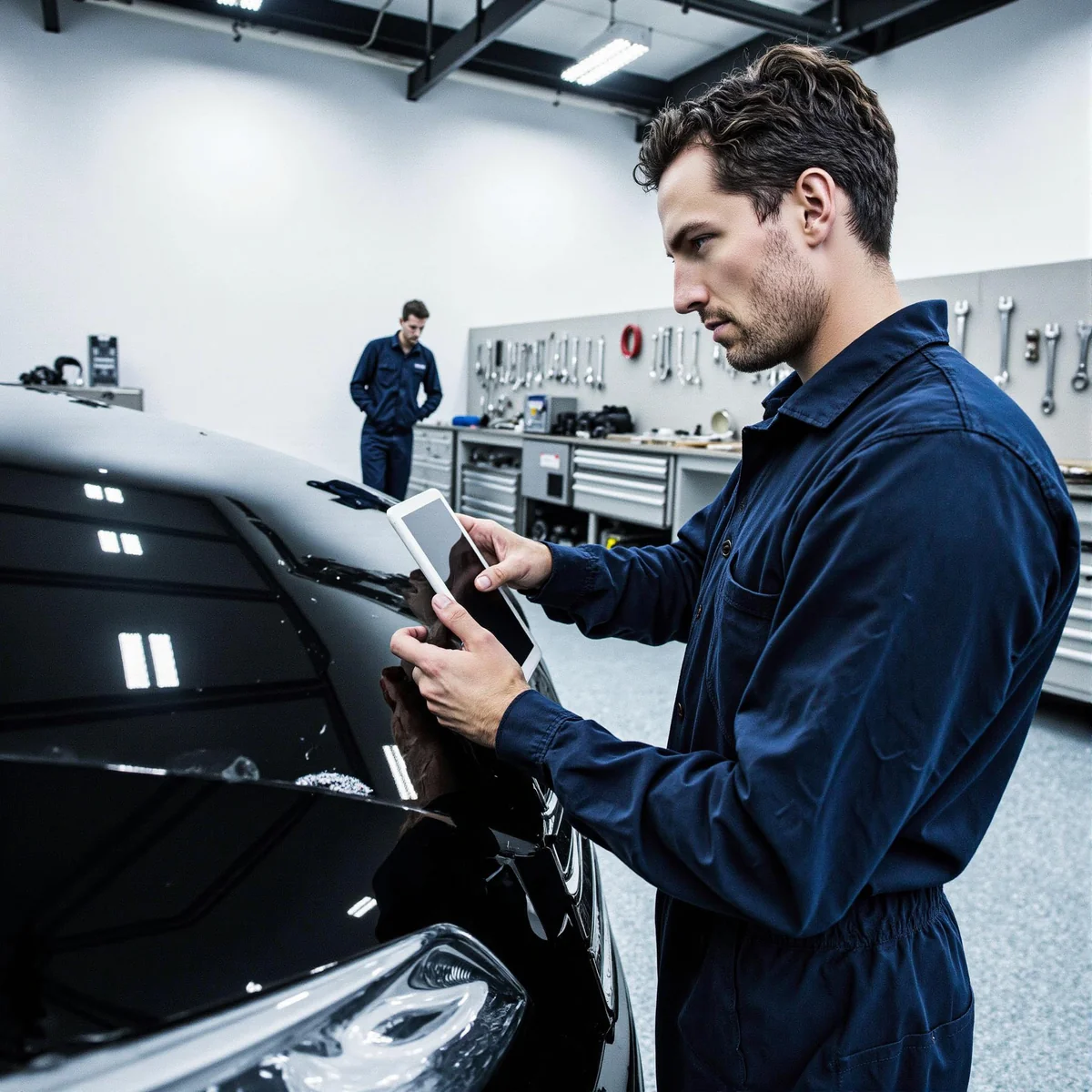
“Motorist’s safety is a top priority in Texas; as a result, vehicles registered in Texas are required to pass an annual inspection to ensure compliance with safety standards” (www.dps.texas.gov[1]).
Summary of Operational Priorities
In summary, protecting your Dallas (or broader Texas) car purchase means being methodical and proactive. Always document fully: photos, receipts, and reports. Leverage local rules (Texas DMV inspections, lemon law awareness【3†】) to your advantage. Treat the purchase process itself as a checklist-driven operation: from dealer vetting, VIN/title verification, mechanical testing, to final paperwork. When every step is backed by evidence, whether it’s a certified inspection or an official record, you remove the guesswork out of “hidden” issues. Best practice: hand off each vehicle to a professional service immediately after buy for one more check. That way, drivers in Dallas, Houston, Austin, or Lubbock can drive home confident that the deal holds no surprises – and they’re ready for the road ahead with minimal downtime.
Frequently Asked Questions
How can I spot flood damage on a used car in Texas?
Immediately after buying a car in Texas, look for telltale signs of flood damage. Check under the dashboard and carpets for water stains or mud lines, and sniff for a musty odor inside. Inspect electronics and wiring for corrosion. Ask the seller directly if the area (especially if in Houston or San Antonio flood zones) ever flooded.
Look at the circuit breakers (often under hood or mats) and fuses for brown water spots. Many dealers use NMVTIS reports to identify flood titles; you can also run a free VIN check on NHTSA’s website[2] or the Texas DMV to see if the car was branded “flood.” DMA Check the undercarriage: flood-soaked oil or gear lube traps sand/grit, so ask the mechanic to check fluids. If flood damage is hidden, it often shows as rust on wires or residue behind panels.
Is a Texas state inspection required for my newly purchased used car?
Yes. By Texas law, every vehicle must pass an annual safety (and emissions, if applicable) inspection before it can be registered (www.dps.texas.gov[1]). That means after buying a car in Dallas (752xx) or Houston (770xx), you should immediately take it to a certified inspection station. The inspection covers brakes, lights, tires, and emissions components. Passing this inspection is mandatory for your own safety and legal compliance. If the car fails, Texas allows you to fix issues within 15 days and re-test without an extra fee, but you must ensure every item is addressed first.
What does Texas Lemon Law cover if my newly bought car has issues?
The Texas Lemon Law covers new vehicles (and some demonstrators) under certain conditions, typically when the car has a substantial safety defect or repeated problems within the first 24 months or 24,000 miles. In practice, this means if you bought a new car and it keeps going back for the same serious issue, the manufacturer may have to repurchase or replace it【3†】. However, for used cars, Lemon Law protections are limited. If the car is still under the manufacturer’s original warranty, you have those repair rights, but “as-is” used sales usually don’t qualify. Always inspect thoroughly so you’re not relying on Lemon Law fixes after the fact. (One Texas tip: even pre-owned, if a major issue is encountered immediately, check for any transferable short-term new-car warranties or consider arbitration options under Texas state vehicle warranty laws.)
Should I get an extended warranty or service contract for my Texas vehicle purchase?
An extended warranty can offer peace of mind, but it must be weighed against cost and coverage details. In Texas, extended auto service contracts are regulated; the dealer must give you a contract summary. Look closely at what’s covered: it should include major components like engine, transmission, and have provisions for roadside services or towing (your keyword!) if available. Many dealerships and local service centers in the Dallas area offer such contracts; ask specifically about towing coverage in case the car breaks down out of town on I-35 or in suburban areas. If the vehicle is older or high-mileage, an extended warranty on top of inspection is wise. But if you’re paying the deductible and premiums and still not covering common wear items (brakes, tires), consider setting aside that money instead. Always get quotes from both the dealer’s plan and independent providers — prices can vary greatly in Texas, and some area auto clubs or credit unions offer better rates.
What should I check on a test drive to avoid hidden problems?
Always start the engine and listen quietly: it should sound smooth (no ticking valves or clunks in Detroit area, or Houston’s flat highways). Pause to check the dashboard for warning lights. On the road, test full throttle and hard braking. Feel for any pulling, vibrations, or noises. If the car has a turbo or supercharger (or is a hybrid/electric system), ensure there’s no lag or faltering under power. In Texas heat, turn on the AC and let it run: if it struggles or blows warm air, there may be leaks or a weak compressor. Don’t skip driving over rough patch road – it’s how you’ll catch suspension noises or loose steering before they become your problem in daily operation.
Sources